
Reiki and Self-Care: A Simple Way to Nourish Your Mind, Body, and Soul
Published: 6 June 2026
Updated: 19 September 2026
If you’ve been feeling stressed, emotionally drained, overwhelmed, or disconnected from yourself, Reiki may offer a gentle path back to calm, balance, and inner peace. This soothing energy healing practice is becoming increasingly popular for people seeking relaxation, emotional support, spiritual connection, and holistic wellbeing.
In this blog post, we’ll explore what Reiki is, how it works, and the potential benefits of Reiki for the mind, body, and soul, so you can decide whether this gentle healing modality feels right as part of your journey.
How Can Reiki Help Me?
As you know, life can feel heavy sometimes. Stress can build up, and emotions can become overwhelming. Your mind may feel busy and overworked, your body tired, and your heart may feel a long way from joy.
As a result, many people are searching for simple and gentle ways to feel calmer, lighter, and more balanced again. This is where Reiki may help.
(I first studied Reiki decades ago, and have been practicing it on and off since. In the past few years, I have studied various Reiki traditions in a lot more depth, doing a number of courses with different schools, as well as receiving additional re-attunements (from levels 1 to Masters), building up my practice and knowledge. I’m really enjoying what Reiki can do, and wanted to share this helpful practice with others! 😊)
Reiki is a holistic healing practice that supports relaxation, emotional wellbeing, and energetic balance. It is gentle, calming, and suitable for many people who want to reconnect with themselves, and create more peace in their lives. Reiki may offer comfort, clarity, and support on your journey.
What Is Reiki?
Reiki is a Japanese energy healing practice that works with the body's natural energy system. The word Reiki is often translated as ‘universal life force energy’.
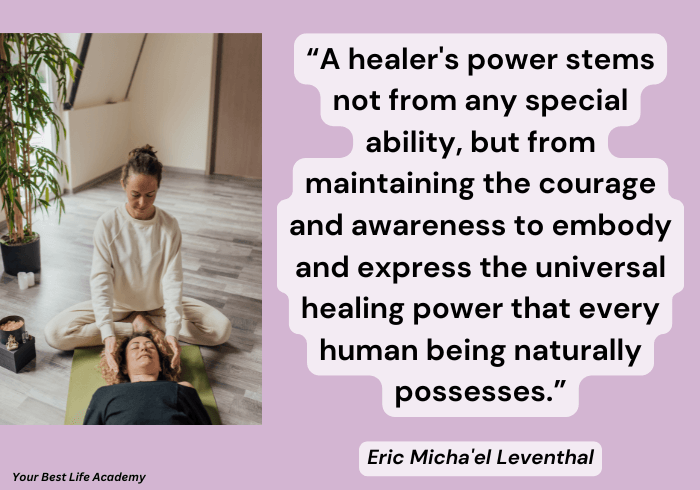
A Reiki practitioner gently places their hands on or above the body to help support the flow of energy. (I tend to put my hands above the body during healing sessions, rather than on. If you would prefer this, you can always ask either before making an appointment, or at the time of the healing – most practitioners will have no problem with this.) The goal is to encourage relaxation, reduce energetic blocks, and help the mind, body, and spirit return to a balanced state.
Many people describe Reiki as calming, peaceful, comforting, and deeply nurturing. (Although if people are seeking a deeper experience, bringing the past into the conscious mind for healing, this is also possible. You might like to ask the practitioner if this is something they can do if this appeals to you. I love doing this, and it is part of my own personal healing journey.)
Reiki is not about forcing anything to happen. Instead, it creates space for the body and mind to relax, and naturally move toward healing and balance.
Why So Many People Are Drawn to Reiki
Modern life can be busy and stressful, and nowadays, in the fast-moving world of always being ‘on’, people often feel exhausted and disconnected (from who they want to be, where they want to go, and from spending quality time with friends and family).
This may lead to feeling a number of things which you may not wish to feel, such as those listed below.
Constantly stressed or overwhelmed
Emotionally heavy
Mentally exhausted
Disconnected from yourself
Stuck in negative patterns
Sensitive to other people’s energy (an empath)
Burnt out from always giving to others
In need of rest, peace, and emotional support
Many people are craving deeper meaning, inner calm, and gentle healing. Reiki can feel like a safe space to slow down, breathe, and reconnect with yourself again. (Again, you can ask for the type of reiki healing session you would like — choose your practitioner based on what you want, and what they do, while ensuring you feel safe with them. And remember — your intention is the most important part of the Reiki session.)
Potential Benefits of Reiki
Every person’s experience with Reiki is different. Some people notice subtle shifts, while others feel emotional or energetic changes more strongly. Other people may take longer to feel the changes — and it may require a little trust to know that the energy is working under the surface.
Potential benefits of Reiki may include:
Deep Relaxation
Reiki may help calm the nervous system, and create a feeling of peace and stillness. Many people feel more relaxed after a Reiki session.
Stress Relief
When stress builds up for long periods of times, it can impact emotional wellbeing, sleep, focus, and energy levels. Reiki may help release tension, and encourage a calmer body and/or outlook.
Emotional Balance
Some people use Reiki to support emotional healing during difficult times such as grief, heartbreak, anxiety, or life changes. It can help with self-care, so you feel nurtured, and have time to yourself, where you may raise specific issues that are on your mind. Sometimes the sharing and quiet time, along with getting some energy work done, is just what you need at these times.
Better Sleep
Because Reiki encourages relaxation, some people find they sleep more deeply, and wake up feeling more refreshed. You may feel more ‘heard’, as well.
Feeling More Grounded
A busy life can sometimes feel chaotic, or emotionally draining. Reiki may help you feel more centred, balanced, and connected to yourself.
Spiritual Connection
For those on a spiritual path, Reiki may help strengthen intuition, mindfulness, self-awareness, and inner connection. Again, you can speak with your practitioner to see if this is something they can assist with — and set your intention at the start of the session, which is helpful.
Supporting Overall Wellbeing
Many people use Reiki alongside other wellness practices such as meditation, yoga, journaling, breathwork, counselling, healthy eating, or mindfulness. Reiki can be great as part of your self-caring routine. After all, the more you care for yourself, and spend time on keeping your mind, body, and soul balanced, the better you will feel. And many modalities work in different ways, supporting each other in feeling great.
What Happens During a Reiki Session?
If you have never experienced Reiki before, you may wonder what actually happens during a session.
A typical Reiki session is usually peaceful and relaxing. However, as mentioned earlier, they do vary, depending on the practitioner, the client, and the intention of the Reiki session. Reiki can be used to go deep within, and release old beliefs or energy blocks which are holding you back. Sometimes these are deep-seated, and you may feel energy and/or emotion during and/or after the session, and for a few days afterwards. Always drink lots of water after a Reiki session to help the energy flow through your body.
You normally remain fully clothed while lying down, or sitting comfortably. Soft music, calming scents, or quiet silence may be used to create a soothing environment.
The practitioner gently places their hands on or above different areas of the body, to direct the Reiki energy (although the Reiki energy will go where it needs to go). Some people feel warmth, tingling, emotional release, heaviness, lightness, or deep relaxation. Others may simply feel peaceful and calm.
There is no ‘right’ way to experience Reiki. Every person’s experience is unique.
The important things are to ensure you feel safe, to communicate clearly with your practitioner, and to set an intention for the Reiki healing session.
Reiki and Emotional Healing
Many people carry emotional stress around without even realising it. This can come in many forms. Past experiences, self-doubt, fear, pressure, grief, or emotional pain can sometimes leave people feeling emotionally stuck, or disconnected from themselves. (I know a lot of people think of upsetting events in the past over and over again, in the present moment — however, the past is done, so it is best to let it go, if you can. And yes, I've done a lot of healing work to help me learn the lessons, and then let go of the past — and yes, I definitely feel better for it! ☺️)
Reiki may help create a gentle space for emotional release, and/or self-reflection.
Some people find that Reiki helps them:
Feel emotionally lighter
Release built-up tension
Connect with their feelings
Practice self-care
Feel supported during difficult times
Reconnect with inner peace
Healing is often not about becoming ‘perfect.’ Sometimes it is simply about giving yourself some self-care, space, and freedom to think and feel — allowing you to feel more like yourself again.
Reiki and Self-Care
One of the beautiful things about Reiki is that it encourages people to slow down and care for themselves. I know a lot of people (myself included, sometimes) who spend so much time caring for others that they forget to nourish their own mind, body, and soul.
As mentioned previously, Reiki can be a great addition (or start) to a gentle self-care routine. Reiki works beautifully alongside other self-care practices, such as the ones mentioned below. (I’ve added in my blogs if applicable, so you can explore some of these more if they appeal to you.)
Meditation (Meditation for the Soul: A Simple Path to Inner Peace, and The Power of Guided Meditation: Your Path to Peace and Calm)
Journaling
Breathwork (The Wim Hof Breathing Method for Stress and Mental Clarity)
Spending time in nature
Healthy boundaries (How to Set Boundaries with Anyone, Anytime, Anywhere: A Kind and Gentle Approach)
Rest (How to Find the Perfect Balance Between Rest and Productivity)
Mindfulness (Mindfulness Made Simple: How to Be More Present in Your Everyday Life, and 5 Easy Ways to Bring Mindfulness into Your Holiday Season)
Gratitude practices (Mindful Gratitude: Being Present with What You Have)
As you know, small moments of self-care can create powerful changes over time. For example, a walk in nature one day, a guided meditation another day, and some yoga and/or breathwork in between other items, can add up, giving you a sense of peace and space.
The goal is not live an absolutely perfect life (does one even exist?!) – it’s more to explore ways to incorporate some space and time into your days. This gives you a chance to breathe, to reflect, and to relax. And sometimes that’s exactly what you need to catch your breath, isn’t it?
Common Myths About Reiki
Let's explore some common myths you may have heard about Reiki.
‘Reiki is scary.’
When you don’t know much about something, it can seem scary. However, usually you can speak to the practitioner before booking, asking any questions you have. Also, Reiki is generally considered a gentle and non-invasive practice focused on relaxation, and energetic wellbeing. (And as I noted earlier, you can ask for hands-off if that works better for you.)
‘You need to be spiritual to try Reiki.’
I do not believe this to be true. People from many different backgrounds explore Reiki for relaxation and wellbeing. It’s a little like sending good vibes (or prayers) to friends who are unwell.
‘Reiki replaces medical treatment.’
Reiki should not replace professional medical advice, diagnosis, or treatment. Many people use Reiki as a complementary practice alongside traditional healthcare.
‘You have to feel something for Reiki to work.’
Some people feel strong sensations, while others feel very little during a session. Experiences vary from person to person, and that’s perfectly ok. See what feels right for you.
Is Reiki Right for You?
If you have an open mind, and are willing to explore self-care and/or healing options that could work for you, Reiki may be worth exploring. Typically you might consider Reiki if you are looking for more of the following in your life.
More calm and peace
Emotional support
Stress relief
Relaxation
Spiritual connection
Gentle self-care
Energy healing practices
A way to reconnect with yourself
You do not need to have everything figured out before starting your healing journey. (In fact, things may change as you begin your journey.)
Sometimes the first step is simply giving yourself permission to pause, breathe, and receive support. And if you explore with an open mind, give yourself the freedom to try it, while communicating clearly with the practitioner, it could be a great fit for you!
Final Thoughts
If your world feels too busy or overwhelming, Reiki offers a gentle invitation to slow down, and reconnect with yourself. (Having said that, it can also be part of a more deliberate healing journey.) I've had gentle Reiki sessions, where I feel relaxed at the end — however, I've also had deeper healing sessions, where I felt energy move. It depends on the practitioner, the client, and the intention of the session.
Everyone's healing journey is different. Sometimes healing begins in quiet moments of rest, awareness, compassion, and inner peace. Other times it may be a little deeper — it depends on where you are at any given moment. And remember, there is no 'right' way to do it — your journey is your own, and you get to choose what feels right for you at the time.
Reiki may help you feel calmer, lighter, more balanced, and more connected to the life you truly want to live. If this sounds like something you would like, it may be worth exploring Reiki sessions, to see if you like them, and would like to incorporate them into your wellness program.
Your healing journey is personal, and every small step matters. Even creating a few moments of peace for yourself can make a beautiful difference over time.
🙋 Frequently Asked Questions
1. What is Reiki healing?
Reiki is a gentle energy healing practice that aims to support relaxation, emotional balance, and overall wellbeing. A Reiki practitioner uses light touch, or places their hands just above the body, to help encourage the natural flow of energy. (You can request no touching if you prefer.)
Many people use Reiki to help with stress, emotional overwhelm, anxiety, burnout, spiritual connection, and relaxation.
2. How does Reiki work?
Reiki works with the body’s natural energy system. The goal is to help clear energetic blocks, and create balance within the mind, body, and spirit.
While experiences vary, many people report feeling calmer, lighter, more peaceful, and deeply relaxed after a Reiki session.
3. What does Reiki feel like?
Everyone experiences Reiki differently. It can depend on the practitioner, the client, and the intention of the session.
Some people feel:
Warmth or tingling
Deep relaxation
Emotional release
Calmness or peace
Gentle waves of energy
Sleepy or refreshed afterwards
Others may not notice strong sensations during the session, and that is completely normal too.
One common challenge people have is worrying they are ‘doing Reiki wrong’ if they do not feel anything dramatic. Reiki experiences are unique, and subtle shifts can still be meaningful.
4. Can Reiki help with stress and anxiety?
Many people turn to Reiki for stress relief, and emotional support.
Reiki may help calm the nervous system, encourage relaxation, and create space to slow down mentally and emotionally. People who feel overwhelmed, emotionally drained, or constantly ‘on edge’ often enjoy the peaceful experience Reiki can provide.
Reiki is not a replacement for professional mental health support, but some people use it alongside counselling, mindfulness, meditation, or other wellness practices.
5. Is Reiki safe?
Reiki is generally considered a gentle and non-invasive practice. Most people find it relaxing and calming.
However, Reiki should not replace medical advice, diagnosis, or treatment from qualified healthcare professionals. It is best viewed as a complementary wellness practice.
If you have serious physical or mental health concerns, it is important to seek professional support.
6. Do I need to believe in Reiki for it to work?
No, that is not a requirement. Many people explore Reiki simply because they want to relax, or try something new.
You do not need to be spiritual, experienced in energy healing, or have any special beliefs to receive Reiki. Being open-minded and willing to relax can help you feel more comfortable during the experience.
7. How many Reiki sessions do I need?
This depends on the person and their goals.
Some people feel benefits after one session, while others prefer regular Reiki sessions as part of their self-care routine.
People often seek Reiki support during:
Stressful periods
Emotional healing
Burnout
Major life changes
Spiritual growth journeys
Times of overwhelm or exhaustion
Listening to your body and intuition can help guide what feels right for you.
8. Can Reiki bring up emotions?
Sometimes Reiki may help people become more aware of emotions they have been holding onto. This can feel emotional, healing, relieving, or even surprising. If emotions arise, it may help to:
Rest afterwards
Drink water (or herbal tea)
Journal your thoughts (to gain more clarity)
Spend quiet time in nature
Practice gentle self-care (eg. bubble bath, meditation)
Healing is not always linear, and emotional release can sometimes be part of the process. And remember, healing may include feeling and releasing suppressed emotions, freeing up that energy for other things.
9. What if I feel nervous before trying Reiki?
This is very common, especially if Reiki is new to you.
Some people worry that they will not understand it, feel uncomfortable, or not know what to expect. A helpful approach is to talk with the practitioner beforehand, stay curious, and be gentle with yourself.
You do not need to have all the answers before trying Reiki. Starting slowly, and choosing a practitioner you feel comfortable with, can make the experience feel safer and more relaxing. (Having a practitioner you trust, and discussing the process beforehand (including ‘no touching’ if that is what you desire), both go a long way to having an enjoyable experience.)
10. Can Reiki help sensitive or empathic people?
Many sensitive people and empaths are drawn to Reiki because they often absorb stress and emotions from others. (I definitely relate to this. I am also learning not to absorb the emotions of others around me.)
Reiki may help sensitive people feel:
More grounded
Emotionally balanced
Calm and centred
Less energetically drained
More connected to themselves
Combining Reiki with healthy boundaries, rest, mindfulness, and self-care may also help sensitive people protect their energy and wellbeing. (See the ‘Reiki and Self-Care’ section of this article for links to other blog posts around these topics.)
11. Is Reiki connected to religion?
Reiki itself is not a religion. People from many different spiritual backgrounds and belief systems choose to explore Reiki. Some people view it as a spiritual practice, while others simply enjoy it for relaxation and stress relief.
You can approach Reiki in a way that feels comfortable and aligned with your own beliefs and values.
12. Can I learn Reiki myself?
Yes, you can. You may choose to learn Reiki for personal growth, self-healing, and/or helping others. (I learned for a mixture of these reasons.) It's important to seek out a reputable teacher, so you get a thorough grounding.
Learning Reiki often includes:
Understanding energy healing
Reiki hand positions
Meditation and mindfulness
Self-Reiki practices
Reiki attunements from a teacher
Many people enjoy learning Reiki because it encourages self-awareness, calmness, compassion, and intentional self-care.
📚 Additional Resources
We are in the process of creating some additional Reiki courses! Keep an eye out for updates once we've got them up and running!
In the meantime, if you do happen to be exploring spirituality, our My Spiritual Self-Discovery Journal can help! This journal was created for people just like you - those who are curious, open-hearted, and ready to take their first steps into deeper self-understanding.
Want more practical ideas and thought-provoking content on a regular basis? Don’t miss out on all the hints & tips that you can implement over time! Sign up for weekly input to help you uplift your life – one week at a time!
You may also be interested in our free Meditation for Beginners 7-Day Challenge, to get you started on an inner journey.
We have also created stand-alone pages in the 7 life segments with all blogs, freebies, and paid products grouped together, so you can easily find and review items of interest to you. Click on the links below to find the areas of most interest to you!
Life Purpose & Best Life - Health & Wellness - Relationships - Abundance - Personal Growth - Peace of Mind - Spirituality & Energy.
📝 Disclaimer
This blog post is for general information only, and is not intended to replace professional medical, psychological, or health advice, diagnosis, or treatment. Reiki is a complementary, holistic practice that may support relaxation, emotional wellbeing, and a sense of balance, but results can vary from person to person.
If you have any health concerns — physical, emotional, or mental — please seek advice from a qualified healthcare professional. Never delay or stop medical treatment because of information you have read here.
Reiki is offered as a supportive wellbeing practice, and is not a substitute for medical care or therapy.
Your Best Life Newsletter
Your Weekly Dose of Inspiration to Live Your Best Life!
✔️ Get practical tips to feel happier, healthier, and more fulfilled.
✔️ Discover easy ways to bring more joy and purpose into your life.
✔️ Be the first to know about new blogs, free resources, and special offers.
💌 Join our supportive community today — it's free!
© 2025 Your Best Life Academy