Create Space in Your Body and Mind with Yin Yoga
Published: 28 February 2026
If you’ve been feeling stressed, tight in your body, or constantly ‘on the go,’ yin yoga may be exactly what you need. Unlike fast-paced workouts, yin yoga invites you to slow down, breathe deeply, and gently release built-up tension — both physically and emotionally. This calming practice supports flexibility, reduces overwhelm, and helps you reconnect with yourself in a quiet, nourishing way.
In this article, you’ll learn what yin yoga is, how it differs from other styles, and how it can help you feel more balanced, relaxed, and at ease in your everyday life.
A Gentle Stretch for Your Mind & Your Body
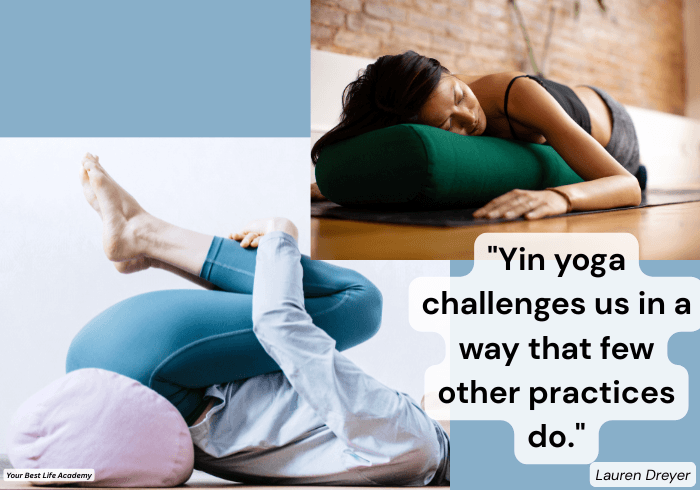
In our busy modern world, surrounded by electronics and ‘things to do’, we are often looking for ways to slow down, feel calmer, and reconnect with ourselves. Yin yoga offers exactly that. It is a quiet, steady practice that invites you to pause, breathe, and listen inward. It is relaxing, yet at the same time there is a gentle stretch – of both your mind (to keep the pose going even if a touch uncomfortable), and your body (there could be slight discomfort as you relax your body and connective tissue into the gentle, supported postures).
If you’ve ever felt overwhelmed, tight in your body, mentally exhausted, or simply in need of stillness, yin yoga may be the missing piece.
What Is Yin Yoga?
Yin yoga is a slow, meditative style of yoga where poses are held for longer periods of time — usually between 3 to 7 minutes, sometimes longer.
Instead of moving from pose to pose, you settle into one shape, and allow the body to gradually release. Muscles stay relaxed, and the stretch gently reaches deeper layers of the body such as:
Connective tissues
Fascia (the body’s internal webbing)
Ligaments
Joints
This makes yin yoga very different from dynamic styles that focus on strength and movement. I've found that as I get older, I am craving more peace and gentleness in my life, and my yoga. While I enjoyed the more 'yang/masculine' styles for years, now my mind and body are craving the gentler styles of yoga — which have their own benefits for the mind, body, and soul.
Think of yin yoga as ‘being’ rather than ‘doing.’
How Yin Yoga Differs from Other Yoga Styles
Many popular yoga styles (like flow-based or strength-based classes) are more yang in nature — active, energising, and heat-building. (Yang is considered more ‘masculine’, while the yin is considered more feminine.)
Yin yoga balances the more active 'yang' styles, by being slow, cooling, and inward-focused.
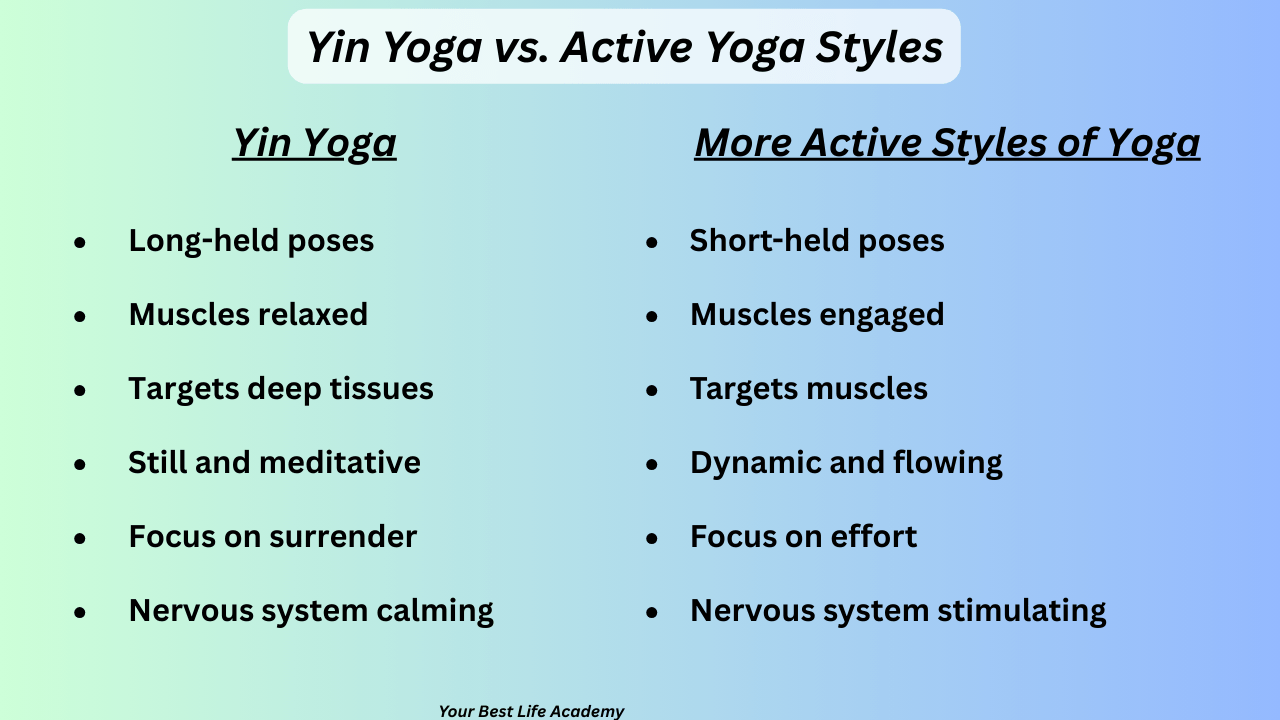
Both yoga styles are valuable, and each has their own place as a healing modality. Yin simply gives you something many people are currently missing — space to slow down, and reconnect with your mind, body, and soul.
The Benefits of Yin Yoga
1. Improves Flexibility Without Forcing It
Because poses are held longer, the body has time to soften naturally. This allows for gradual relaxation and opening, without pushing or straining.
It’s not about how far you go or how flexible you are — it’s about allowing the body to release at its own pace. (And recognizing that your body is different every day — some days you feel relaxed and supple, while other days you may feel tense and tight. Holding space for your body (and mind), and how they feels on any given day, is an important part of the process.)
2. Supports Joint Health and Mobility
Yin yoga gently stresses connective tissues in a safe way (as long as done safely, within your own limitations), which can help keep joints hydrated and supported. This is especially helpful as we age, or if we spend long hours sitting. (It’s a great way to gently move our body, and get some stretching/movement in, so we can relax our mind, body, and soul at the end of a day at the office, or working hard. I am always happy that I am able to move my body, and stress my connective tissues while relaxing, and unwinding my mind.)
3. Calms the Nervous System
One of yin yoga’s most powerful effects is how it shifts the body out of ‘fight or flight’ mode and into a relaxed state. I love that yin yoga covers everything — mind, body, and soul. I usually feel so much more relaxed at the end of a yin yoga class, having let go of a lot of stress, while also giving my body the chance to unwind and release.
Many people (including me) notice:
Slower breathing
Reduced anxiety
Better sleep
A sense of emotional steadiness
It gives your nervous system permission to rest — something modern life rarely does. Most of us are so caught up with all the things we need to do, that our nervous systems are often on high alert — which is not a good state to be in long term. Many people (including me) feel like they have adrenal fatigue, and need lots of restorative practices to help the nervous system reset. (There is a link on adrenal fatigue in the reference section below.)
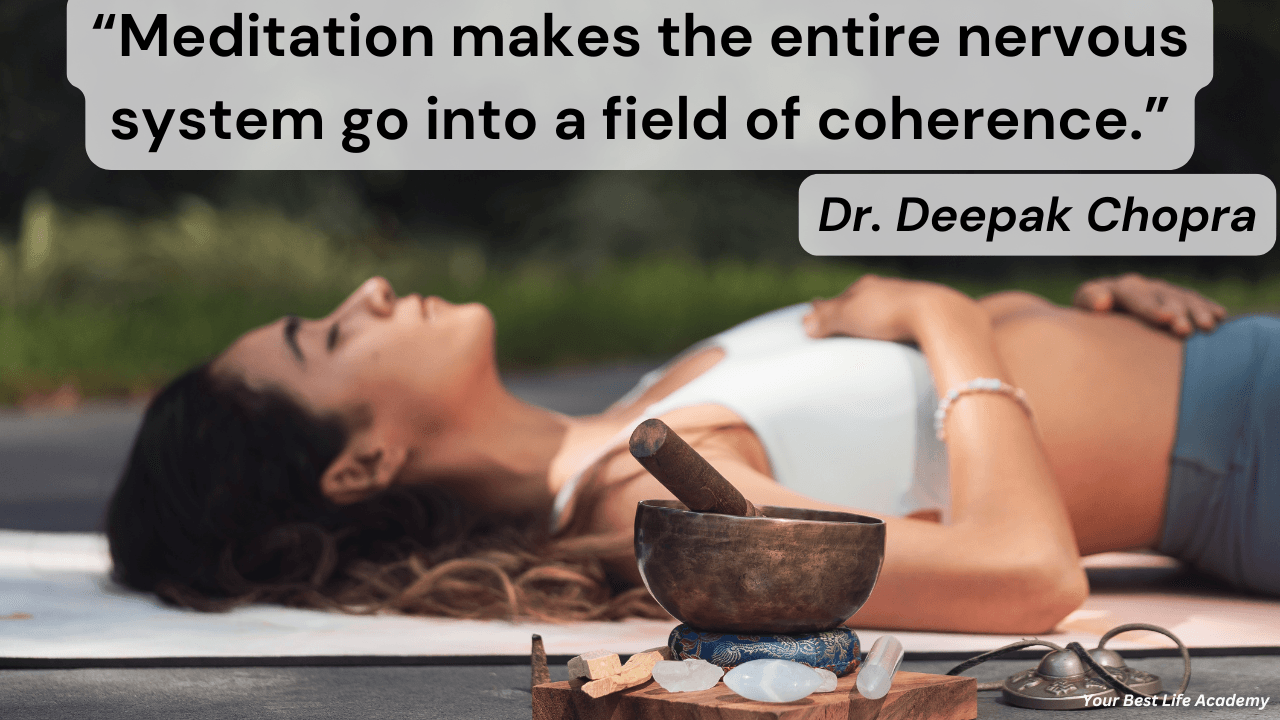
I find yin yoga (which sometimes feels like (and may include) meditation) is a fantastic way to help your mind relax and unwind, while your body is gently stretching.
4. Encourages Emotional Release
Stillness and quiet time can bring up emotions we usually push aside. Yin yoga creates a safe environment to feel, process, and let go.
One Christmas I attended a yin yoga class with my other yoga teacher trainees, as a gift from our teacher. I cried pretty much throughout the whole class! She mouthed ‘are you ok?’ a few times, but I just nodded, and kept silently crying, as I continued the class. It brought up some emotions, and I was able to let them arise, feel them, and process them, while in a soft, safe, and gentle environment. As we were all yoga teacher trainees (or graduates), we all knew just to allow, and let be.
Jessica Alba and Kate Hudson discussed this in a video, with Kate noting that she often cried while doing hip openers in yoga. In this YouTube video they talk about getting emotional in yoga when their hips open up (starting at minute 8.17).
This is why many people describe yin as not just physical, but deeply healing as well.
5. Builds Patience and Self-Compassion
Holding poses teaches you to sit with discomfort without reacting (or reacting as much). You can also feel how your body feels different in each practice — some days something will feel fine, other days the exact same action will feel completely different. This is the same with emotions, as well.
When you continue to practice, this can help build resilience, kindness toward yourself, and a deeper trust in your body.
It becomes less about achieving and more about accepting.
6. Complements Busy, High-Stress Lives
If you are always ‘on,’ yin yoga provides balance. I found when I was working in a demanding corporate role, that I wasn’t wanting to do the more active yoga anymore. I wanted the gentle, soothing yin yoga instead. Something that felt nourishing — to my mind, body and soul. It was like a mini-retreat from the busy-ness of life, which I looked forward to each week.
It’s especially supportive for:
Busy professionals
Caregivers
People feeling burnt out
Those doing lots of intense exercise
Anyone craving quiet time
7. Creates Space to Reconnect with Yourself
Yin yoga is often described as a moving meditation. With fewer distractions, you may notice clearer thinking, improved focus, and a stronger sense of inner grounding.
Closing your eyes can block out the visual cues that you may usually react to. Relaxing your body allows for more feeling, without the focus of actively holding stronger postures. If there is soothing music in the background, I find I can let go, sink into the experience, and just ‘be’.
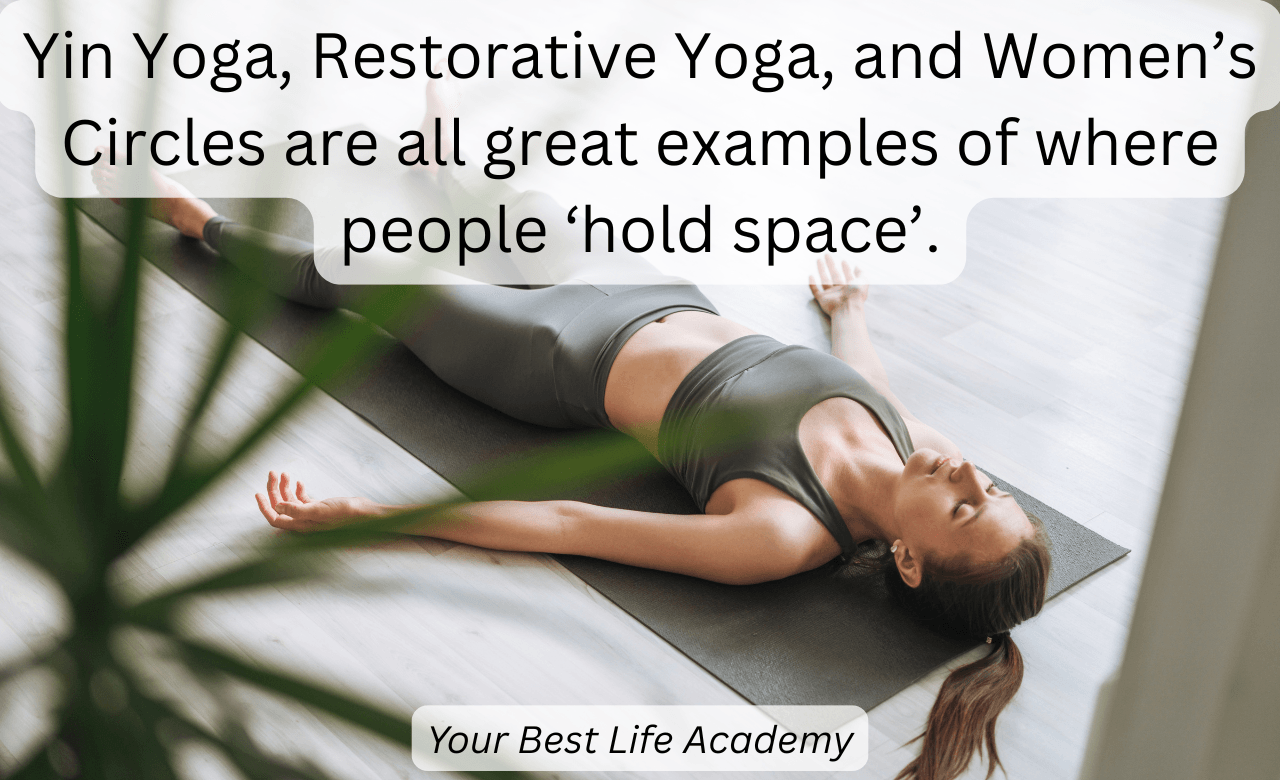
Yin yoga allows me to ‘hold space’ for myself, too. No rushing, no ‘must do right now’, no checking for messages — just me, myself, and I. Time out for my mind, body, and spirit. (If you’re curious about this, our blog Holding Space for Emotional Healing: A Beginner’s Guide goes into more detail.)
Sometimes I’ve even found it to be a spiritual practice. You can allow yourself to fully relax, and connect with either your Inner/Higher Self, or re-think aspects of earlier experiences with the benefit of a little distance and space, for a greater understanding and/or compassion. (While attending classes, I’ve also been known to go off on my own cosmic journeys from time to time!)
What a Typical Yin Yoga Class Feels Like
Yin yoga classes will vary according to teacher, location, style, and theme.
A yin yoga class at a luxury resort may be different to a regular class held within a home, or an inner-city class after a busy day at work.
Sometimes teachers can have a particular intention or theme for a class, eg. self-love, releasing, and/or manifestation. This theme is usually incorporated throughout the session, and may include a guided meditation at the end. Other times you may be asked to consider what intention you would like to hold for a particular class (eg. relaxing after a hard day, or getting more clarity on a situation you are facing, or reconnecting with your inner dreams).
In a typical yin yoga class, you can expect:
Fewer poses (usually 5–8 in a session)
Lots of props like cushions or blankets for comfort
Long, quiet holds
Gentle guidance rather than constant instruction
Stillness between poses
A deeply relaxed feeling afterward
Many people say it feels like a reset button for the body and mind.
Who Is Yin Yoga Suitable For?
Yin yoga is accessible to many people, including beginners. You don’t need to be flexible or experienced – although you do need to listen to your own body, and not push yourself beyond what your body is telling you (ie. it should not feel painful).
Yoga is not designed to be a competitive sport – it is a practice that is between you, and your mind/body/soul - while ensuring that you adhere to all safety instructions, and don’t push yourself too hard. Sometimes what you could do easily yesterday, is not accessible to your body today – you need to honour that (without beating yourself up, or pushing through).
It’s important you hold your own practice, while taking note of any contraindications (included in the section below) and safety instructions that your teacher provides.
It may suit you if you:
Feel tight or stiff
Live a fast-paced life
Want a calmer form of exercise
Feel disconnected from your body
Are looking for balance alongside stronger workouts
Enjoy mindfulness or meditation
Potential Contraindications (When to Take Extra Care)
While yin yoga is gentle, it is not about pushing through pain. Because poses are held for longer, it’s important to practice mindfully, and listen to your body and any warning signs.
You should seek guidance from a qualified professional before practicing if you have:
Recent injuries (especially to joints or ligaments)
Hypermobility conditions (very flexible joints need stability work too)
Osteoporosis or bone concerns
Chronic pain conditions
Pregnancy (modifications are needed)
Recent surgery
In yin yoga, sensation is okay — sharp pain is not.
Listening to your body is essential.
Tips for Starting Yin Yoga Safely
If you’re new to yin yoga, keep these items in mind:
✔️ Use props — they help the body relax
✔️ Move slowly into and out of poses
✔️ Aim for gentle sensation, not intensity
✔️ Breathe naturally
✔️ Come out of a pose if something doesn’t feel right
✔️ Give yourself time to adjust — stillness can feel unfamiliar at first
Remember, yin yoga is not about stretching further. It’s about allowing.
Why Yin Yoga Matters More Than Ever
Modern life rewards speed, productivity, and constant activity. But our bodies and minds are not designed to operate that way all the time. Our bodies, minds, and spirits all need resting time. Quiet time.
Yin yoga is gentle and quiet, and can help restore the busyness/rest balance.
As we are reminded, rest is not laziness. Slowing down is not falling behind. Taking time to reconnect with yourself is not indulgent — it is necessary. (This is outlined more fully in our article How to Find the Perfect Balance Between Rest and Productivity.)
Is Yin Yoga Right for You?
Yin yoga may be a beautiful addition to your life if you’re looking for:
A calmer body
A quieter mind
Relief from tension and overwhelm
Gentle, sustainable movement
Time to reconnect with yourself
Sometimes the most powerful changes don’t come from doing more — they come from allowing more space — for your mind, body, and soul.
Final Thoughts
Yin yoga is not about doing more — it’s about allowing more space for your body, mind, and soul to reset. Time to slow down. Time to check in with yourself, and reconnect. Time for gentle movement that allows your connective issues to unwind.
If life feels rushed, overwhelming, or physically tight, this gentle practice can help you slow down, reconnect, and find balance again.
🙋 Frequently Asked Questions
1. Is yin yoga good for beginners?
Yes, yin yoga is very beginner-friendly. You don’t need to be flexible, or have any yoga experience. The poses are simple, and you are encouraged to move slowly, and listen to your body. Using cushions, blankets, or blocks can make the practice even more comfortable while you learn.
2. I’m not flexible — can I still do yin yoga?
Absolutely. You do not need to be flexible to start yin yoga. In fact, yin yoga is one of the safest ways to gently improve flexibility over time. The goal is not to stretch as far as possible, but to allow the body to soften gradually.
3. How is yin yoga different from stretching?
Yin yoga may look like stretching, but it works much deeper. Instead of targeting muscles, yin yoga focuses on connective tissues and joints. The longer holds allow these deeper layers to slowly release, which can improve mobility, and reduce stiffness in a lasting way.
4. Why do we hold poses for so long?
Holding poses for several minutes gives the body time to relax and respond naturally, rather than forcing a stretch. It also helps calm the nervous system, which is why many people feel deeply relaxed after a session.
If long holds feel challenging at first, try shorter holds, and build up gradually. Always listen to your body, and don’t push beyond your limits.
5. What if I feel restless or find it hard to slow down?
This is very common, especially if you’re used to being busy. Yin yoga is as much a mental practice as a physical one. Start with shorter sessions, focus on your breathing, and remind yourself that there’s nothing to achieve. Over time, stillness becomes easier, and more enjoyable.
6. Should yin yoga feel uncomfortable?
You may feel gentle sensation, but you should never feel sharp pain, pinching, or strain. Yin yoga is about easing into shapes, not pushing. If something doesn’t feel right, come out of the pose, adjust with props, or try a different position.
A helpful guide can be to aim for 60–70% intensity, not 100%.
7. How often should I practice yin yoga?
Even one or two sessions per week can make a difference. Many people find yin yoga especially helpful on rest days, in the evening to unwind, or alongside more active exercise to create balance.
Consistency matters more than duration.
8. Can yin yoga help with stress and anxiety?
Yes. Yin yoga activates the body’s relaxation response, which can reduce stress, quiet the mind, and support better sleep. Many people notice they feel calmer and more grounded after practising regularly.
9. Do I need special equipment?
No special equipment is required, but props make yin yoga much more comfortable. You can use:
Pillows or cushions
Folded blankets or towels
Yoga blocks (or sturdy books)
These supports help your body relax so you’re not holding tension.
10. Is yin yoga safe if I have injuries or health concerns?
If you have injuries, joint issues, or medical conditions, it’s important to check with a healthcare professional before starting. Yin yoga can be adapted, but some poses may need to be modified or avoided.
Working with an experienced teacher can help you practice safely.
11. What should I expect to feel after a yin yoga session?
After practicing yin yoga, people often report feeling:
Looser and less stiff
Deeply relaxed
Mentally clearer
Calm but refreshed
Sometimes emotions may surface — this is a normal part of releasing tension stored in the body, and is perfectly ok. Yin yoga is a great practice to help release stuck energy and emotions. (Jessica Alba and Kate Hudson discuss this in this YouTube video where they talk about getting emotional in yoga when their hips open up - starting at minute 8.17.)
12. How long does it take to notice the benefits of yin yoga?
Many people feel calmer after just one class. Physical changes like improved flexibility and reduced tension often develop over a few weeks of regular practice. It can depend on your own body, and frequency of practice.
Yin yoga works slowly, but its effects are long-lasting.
📚 Additional Resources
If you are searching for more balance or peace in your life, check out our free Meditation for Beginners 7-Day Challenge.
And while you're looking to uplift your life, our Break Bad Habits 7-Day Challenge, & Stress Release 7-Day Challenge can also help. And why not use this opportunity to connect with a friend, and do them together - after all, you can support each other while you improve your life!
Want more practical ideas and thought-provoking content on a regular basis? Don’t miss out on all the hints & tips that you can implement over time! Sign up for weekly input to help you uplift your life – one week at a time!
We have also created stand-alone pages in the 7 life segments with all blogs, freebies, and paid products grouped together, so you can easily find and review items of interest to you. Click on the links below to find the areas of most interest to you!
Life Purpose & Best Life - Health & Wellness - Relationships - Abundance - Personal Growth - Peace of Mind - Spirituality & Energy.
📖 References/Further Reading
https://www.youtube.com/watch?v=u70FIxryuiM (Jessica Alba & Kate Hudson video discussing emotional release from yoga around minute 8.17)
https://www.healthline.com/health/fitness/yin-yoga-poses
📝 Disclaimer
This article is for general information and educational purposes only. It is not intended to replace medical advice, diagnosis, or treatment. Always consult a qualified healthcare professional before starting any new exercise or wellness practice, especially if you have an injury, medical condition, or specific health concerns.
Please listen to your body and move in a way that feels safe and supportive for you. If something doesn’t feel right, stop and seek guidance from a trained professional. Your wellbeing is important, and every body is different.
Your Best Life Newsletter
Your Weekly Dose of Inspiration to Live Your Best Life!
✔️ Get practical tips to feel happier, healthier, and more fulfilled.
✔️ Discover easy ways to bring more joy and purpose into your life.
✔️ Be the first to know about new blogs, free resources, and special offers.
💌 Join our supportive community today — it's free!
© 2025 Your Best Life Academy