
The Hidden Ways Sugar Affects Your Mind, Body, and Soul
Published: 7 January 2026
Sugar is part of everyday life, yet many of us feel tired, moody, foggy, or stuck in cravings we don’t understand. If you’ve noticed sugar doesn’t make you feel better, there’s a good reason — and it’s not a personal failure.
In this blog post, we gently explore why sugar isn’t good for your mind, body, or soul, and how small, kind changes can help you feel more balanced, energised, and in control — without giving up sweetness or joy.
I also include a link to my blog on sugar alternatives, so you can still move forward, enjoying your life and a little sweetness.
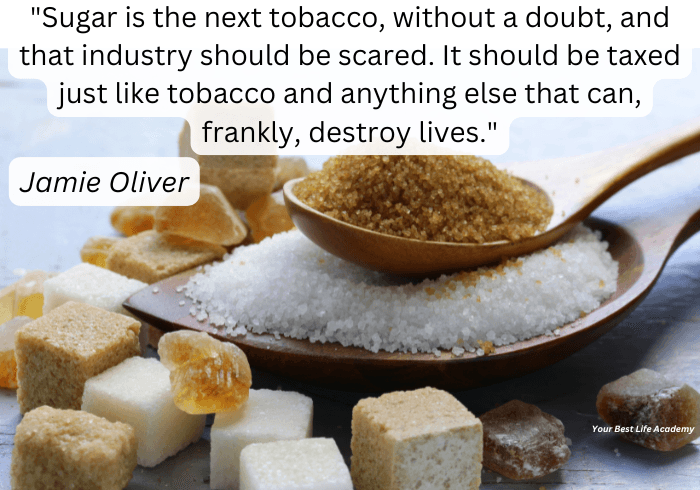
Why Sugar Isn’t Good for You (And How to Gently Break Free)
As you know, sugar is everywhere. It’s in our food, our drinks, our treats, and even many so-called ‘healthy’ snacks. For many of us, sugar may feel comforting, and familiar — and sometimes it might feel like the only thing getting us through a busy or emotional day.
But deep down, you might already feel it — sugar isn’t really helping you feel your best.
If you’ve ever felt tired after a sugar hit, moody for no clear reason, foggy in your thinking, or disconnected from yourself, you’re not imagining it. Sugar affects your mind, body, and soul in powerful ways.
For me personally, sugar gives my body a hot flush/flash – and the more sugar I have, the more hot flushes I have, and the stronger they are, and the longer they last. If I give up sugar (and a lot of the sweeteners) I have no hot flushes at all. As a result, sugar for me is a direct correlation to feeling uncomfortable and hot. I also noticed that sugar also means I spend hours awake in bed, tossing and turning. Again, if I avoid sugar (and most sweeteners) I can go to sleep much more easily.
If you also react to sugar (or suspect it doesn’t help you feel good), you’re not broken — it’s a common reaction to sugar. And don't worry, you don't have to give up everything sweet. I just adjusted my diet until I found what worked for me (eg. carrot juice, and a golden milk which uses mesquite and maca as 'sweeteners'). (Our blog Sweeten Your Resolutions: Exploring Natural Sugar Substitutes has even more alternatives and options that this blog does, to help you adjust.)
Jennifer Lopez recently went on a 10-day no-sugar, no-carbs diet, and spoke about it on the Ellen Degeneres show. She said during the challenge she thought about sugar all the time. “Not only do you get a headache, but you feel like you’re in an alternate reality or universe,” she said. “Like you don’t feel like yourself. You realise that you’re addicted to sugar.”
Small, gentle changes in your diet can make a big difference over time.
The Impact of Sugar on Your Body
Your body loves balance – enough water, but not too much at once; a balance of fruit and vegetables, as well as some protein. Sugar throws that balance off.
When you eat sugar, your blood sugar spikes quickly. This gives you a short burst of energy — followed by a crash (often called a ‘sugar crash’). Over time, this cycle can leave you feeling:
Constantly tired
Hungry soon after eating
Craving more sugar
Bloated or uncomfortable
Out of sync with your body
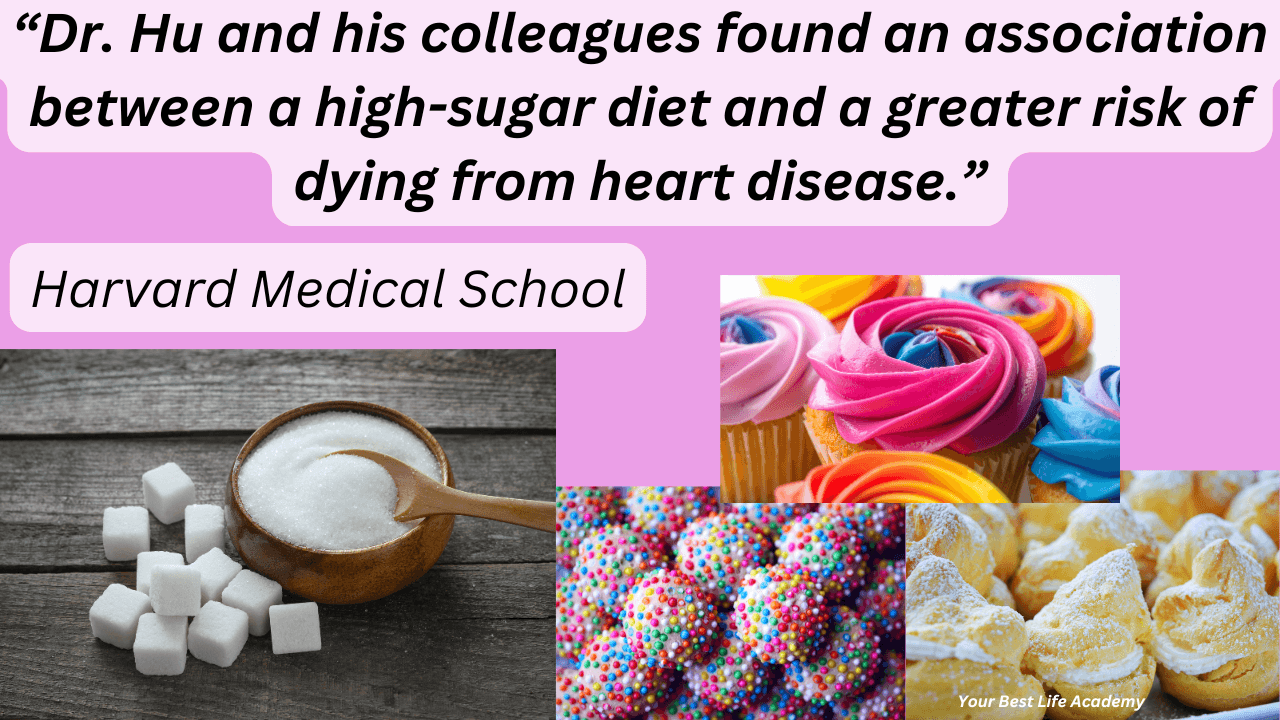
Too much sugar can also place stress on your system, including your digestion, hormones, and immune health. Instead of steady energy, your body is always trying to catch up. (A good protein can provide steady energy over time, which is easier on our bodies.)
Many people think they lack willpower — but often, it’s simply their body asking for steadiness, not another spike.
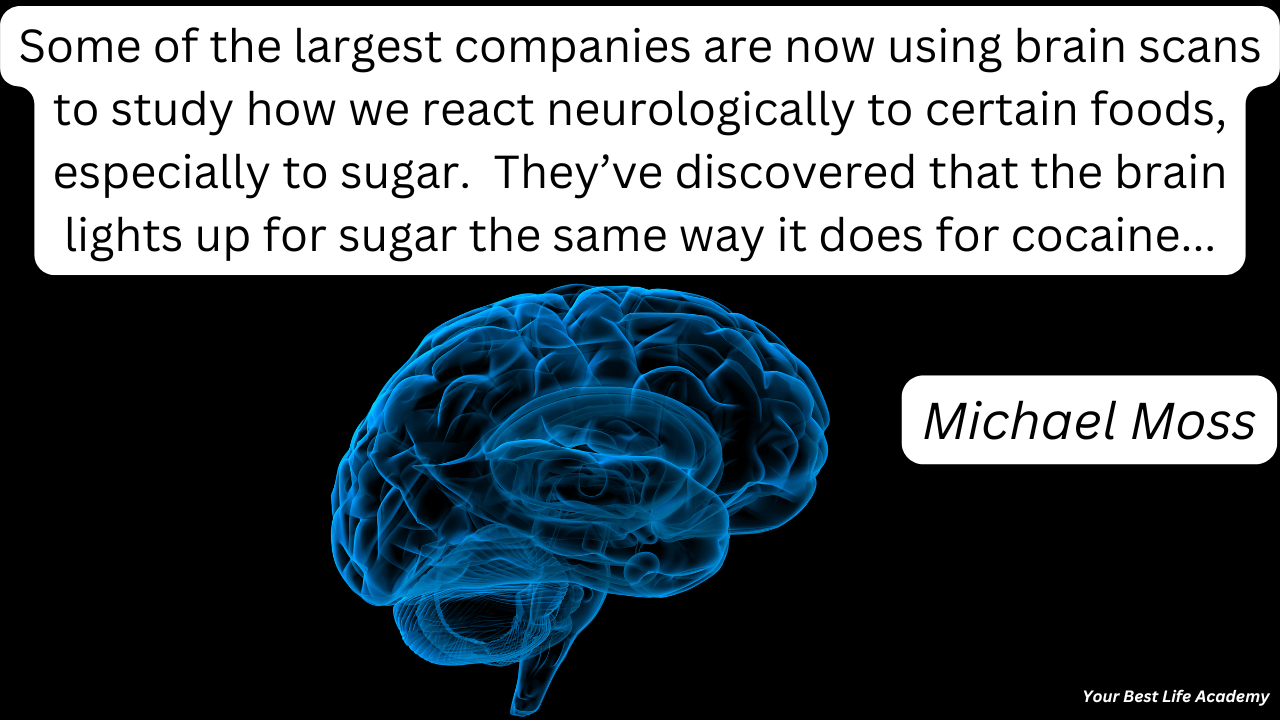
The Impact of Sugar on Your Mind
Sugar doesn’t just affect your body — it strongly affects your thoughts and emotions, too. (If you’re not sure about this, perhaps keep a food diary for a week or so, and take note of what you eat, and how you feel afterwards. Take note of how you feel while eating it, how you feel immediately afterwards, and how you feel after a little bit of time has passed. See if you can feel the 'sugar rush' and 'sugar crash'. Sometimes it may not be noticeable, if you don’t consciously look for the correlation. It can also build up over time.)
After the initial ‘feel good’ moment, sugar can contribute to:
Mood swings
Anxiety or nervous energy
Irritability
Brain fog
Trouble focusing
This happens because sugar influences brain chemicals connected to pleasure and reward. Over time, your mind can start to rely on sugar to feel okay — even when it’s actually making things harder.
If you’ve ever felt frustrated with yourself for reaching for sweets again, please know it isn’t a personal failure. It’s biology.
The Impact of Sugar on Your Soul
This part is talked about less — but it is still an important consideration.
When we rely on sugar to cope with stress, overwhelm, or emotions, we can slowly disconnect from our inner wisdom. Instead of asking ‘What do I really need right now?’ we reach for something sweet to push feelings away. (I know I’ve done this, and I know most of my friends have as well.) If you’re not sure if you do this or not, ask yourself this question any time you think about eating sugary food. You could also note your emotions in the food diary, to see how you feel when you crave something. As I said, I’ve noted that I’ve done this before, when I’m trying to avoid feeling an emotion. I’ve been very conscious of this lately, and am getting back at not eating as a crutch or escape.
Over time, this can lead to:
Feeling disconnected from yourself
Using food to numb emotions
Ignoring your body’s signals
Feeling stuck in patterns you want to change
Living your Best Life means listening inward, not judging yourself, and making choices that truly support you — not just in the moment, but in the long run. After all, we have to live in our bodies for our entire lives, so we need to look after them (and our mind, and our soul).
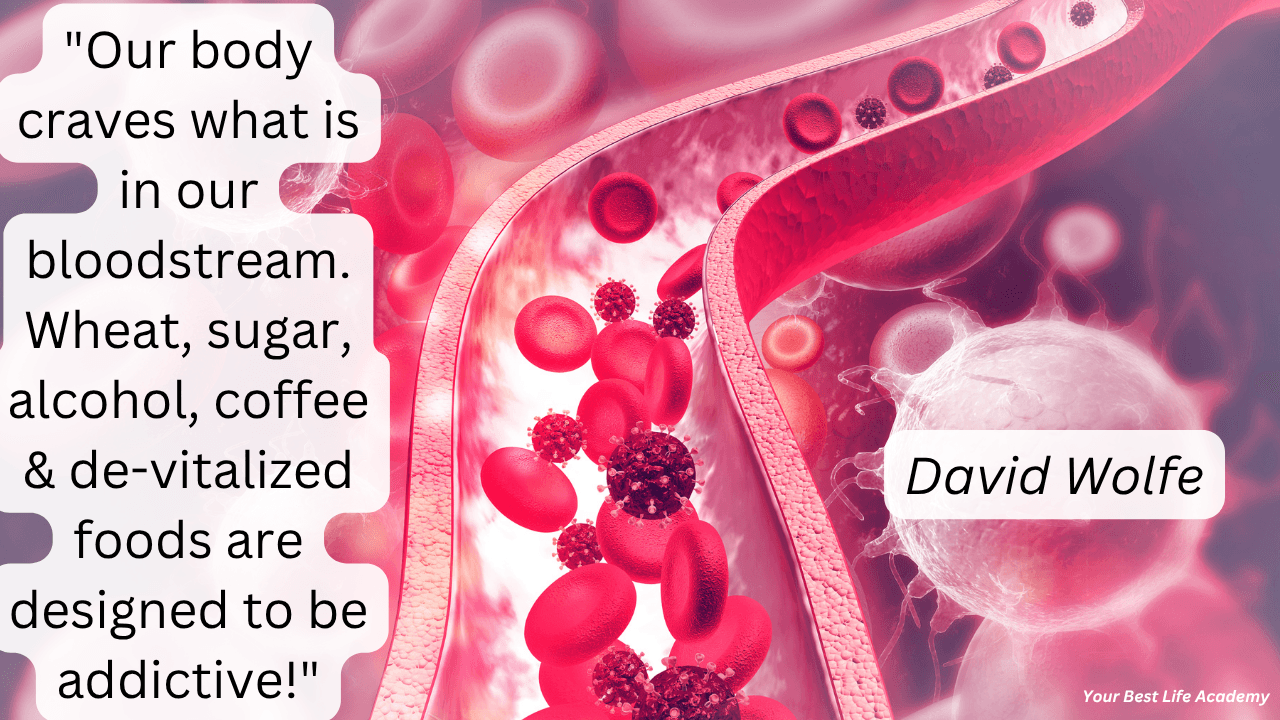
Why Reducing Sugar Can Feel So Hard
If reducing sugar feels overwhelming, there’s a reason.
Many of us learned to associate sugar with love, rewards, safety, or celebration. Letting go isn’t just about food — it can bring up emotions too. Often relatives give children sugar as a bribe of one sort or another. Or perhaps to tell them ‘eat that, and go away, and leave us in peace’. At one point, sugary snacks were given to children after they go to the dentist, as a reward.
As a result, people often associate sugar with emotions, and comfort.
Sugar is:
Emotionally comforting
Socially normal
Easily available
Linked to habits formed early in life
That’s why a gentle, compassionate approach works far better than strict rules or guilt.
You Don’t Have to Quit Sweetness
Luckily, you don’t need to remove sweetness from your life to feel better. You simply need better sources of sweet. Fruit is a great example. You could add dates or sultanas to recipes as a source of sweetness. You could use homemade apple sauce (with cinnamon rather than sugar) to fulfil a craving.
I wrote a blog post on the most common and popular alternative sweeteners, and included my thoughts on each one. Read Sweeten Your Resolutions: Exploring Natural Sugar Substitutes for more alternatives and options, to help you adjust to reducing/eliminating sugar from your life.
Healthier sweeteners can:
Support steadier energy
Reduce crashes and cravings
Feel kinder on your body
Help you feel more balanced and clear
When you switch from refined sugar to more natural options, many people notice:
More stable moods
Better focus
Less guilt around food
A deeper sense of self-trust
This is about choice, not punishment.
Small Changes That Make a Big Difference
You don’t need to change everything at once. It can be overwhelming if you’re just starting out on this journey. Start where you are, and take small consistent steps every day.
You might begin by:
Swapping one sugary drink for a lower-sugar option
Sweetening food naturally instead of using white sugar (for example swapping to dates, sultanas, or coconut sugar)
Becoming curious about what you’re eating (without judging yourself)
Listening to how your body feels after different foods (you might even like to keep a food diary for a bit, to record how you feel, and work out how your food and drinks are impacting you)
Each small step builds confidence. You might reduce the amount of sugar you use gradually, until you run out of sugar, and replace it with a healthier option. Our article Sweeten Your Resolutions: Exploring Natural Sugar Substitutes goes through various alternatives, with pros, cons, and cautions, to help you on your journey.
Remember, each kind choice adds up.
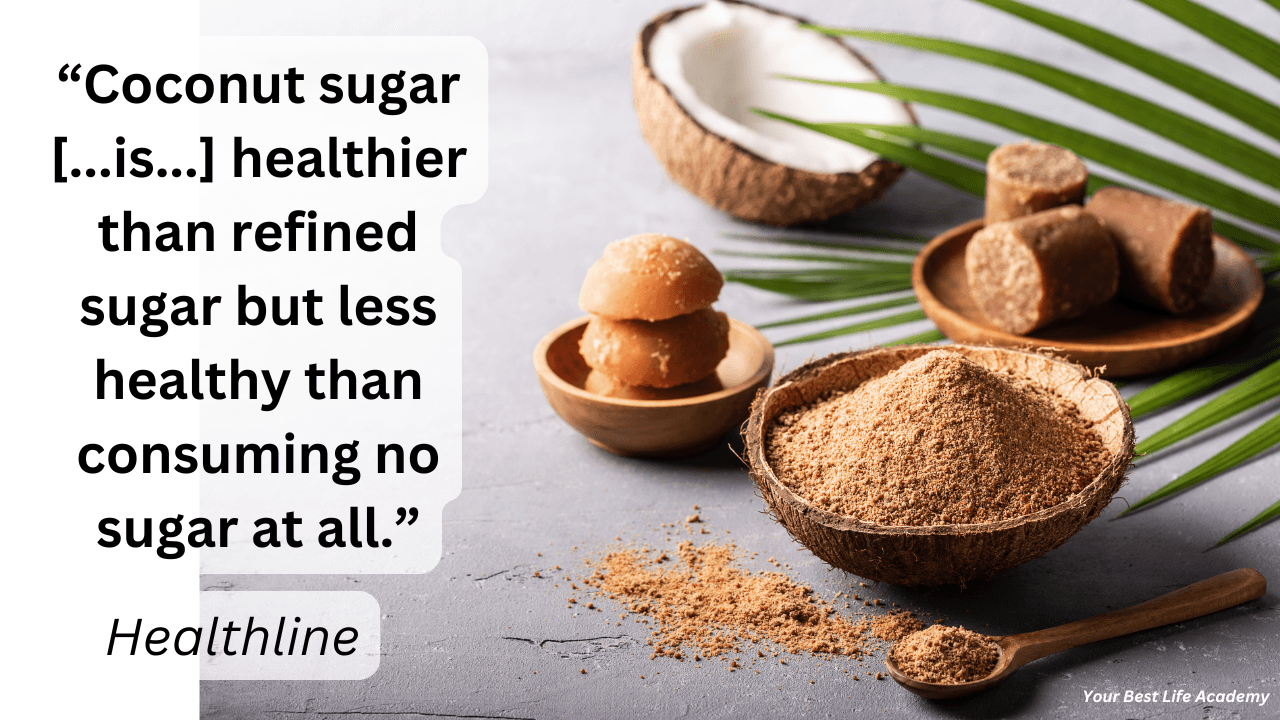
Choosing Sweetness That Supports Your Best Life
Living your Best Life isn’t about perfection.
It’s about alignment — choosing what supports your energy, clarity, and wellbeing.
When you reduce refined sugar and choose healthier sweeteners, you’re not giving something up. You’re supporting your mind, your body, and your soul. You’re helping your body be the best it can be. You’re giving your mind a chance to stay clear. You’re not hiding your emotions behind sugar.
You’re creating space for:
More energy
More calm
More clarity
More connection to yourself
And that’s a powerful act of self-care.
🙋 Frequently Asked Questions
1. Is sugar really that bad for you?
Sugar itself isn’t ‘evil,’ but too much refined sugar can affect your energy, mood, focus, and overall wellbeing. It often leads to spikes and crashes that leave you feeling tired, irritable, and craving more.
2. Why do I crave sugar so much?
Sugar cravings are very common. They can be linked to blood sugar swings, stress, lack of sleep, emotional comfort, or habits formed early in life. Cravings aren’t a lack of willpower — they’re your body asking for balance in the nutrition that you feed it.
3. Does sugar affect mental health?
Yes. Sugar can influence mood, anxiety levels, and concentration. Many people notice more brain fog, irritability, or emotional ups and downs when they eat a lot of refined sugar.
4. Can sugar really impact my energy levels?
Absolutely. Sugar gives quick energy, followed by a crash. Over time, this cycle can leave you feeling drained, and relying on sugar just to get through the day.
5. Do I need to quit sugar completely to feel better?
No. Most people feel better by reducing refined sugar, and choosing healthier alternatives instead. Our article Sweeten Your Resolutions: Exploring Natural Sugar Substitutes discusses various alternatives (with pros, cons, and cautions), to help you on your journey.
Gentle, realistic changes are more sustainable and kinder on your body and mind. Our Sugar-Free Journal is designed to support you on your journey of reducing sugar, and allowing your mind to feel clearer, and your body to feel calmer.
6. What are healthier alternatives to sugar?
Healthier options include natural sweeteners that don’t cause the same sharp spikes as white sugar. These can help support steadier energy and fewer cravings. You can explore these in more detail in our sugar alternatives blog as mentioned above.
7. Will reducing sugar help with cravings?
Often, yes. As your body adjusts to steadier blood sugar levels, cravings usually soften over time. Many people are surprised by how much less they want sugar after a few small changes.
8. Is it normal to feel emotional when cutting back on sugar?
Yes, very normal. Sugar is often connected to comfort and emotions. Feeling a little unsettled at first doesn’t mean you’re doing something wrong — it means you’re becoming more aware, and caring for yourself in a new way.
9. How can I start reducing sugar without feeling overwhelmed?
Start small. Swap one sugary item a day, read labels with curiosity (not judgement), and listen to how your body feels. Progress matters more than perfection.
10. Where can I learn about sugar alternatives?
You can read our sugar alternatives blog post Sweeten Your Resolutions: Exploring Natural Sugar Substitutes to get you started.
📚 Additional Resources
If you'd like to explore and improve your health, one easy step, one day at a time, check out our Busy Life Health Boost bundle. It has practical steps that can help you uplift your health - one small action at a time.
Or if you'd like to focus on reducing sugar first, our Sugar-Free Journal helps you discover the best ways to support you on your journey - based on your own unique beliefs and values.
Want more practical ideas and thought-provoking content on a regular basis? Don’t miss out on all the hints & tips that you can implement over time! Sign up for weekly input to help you uplift your life – one week at a time!
We have also created stand-alone pages in the 7 life segments with all blogs, freebies, and paid products grouped together, so you can easily find and review items of interest to you. Click on the links below to find the areas of most interest to you!
Life Purpose & Best Life - Health & Wellness - Relationships - Abundance - Personal Growth - Peace of Mind - Spirituality & Energy.
📖 References/Further Reading
https://www.health.harvard.edu/heart-health/the-sweet-danger-of-sugar
https://www.sciencedirect.com/science/article/pii/S0149763418308613
https://www.nhs.uk/live-well/eat-well/food-types/how-does-sugar-in-our-diet-affect-our-health/
https://www.healthline.com/nutrition/too-much-sugar
https://www.frontiersin.org/journals/public-health/articles/10.3389/fpubh.2024.1452085/full
https://womenshealth.com.au/jennifer-lopez-sugar-withdrawal/
📝 Disclaimer
This blog post is for general information and personal reflection only. It is not intended to replace medical, nutritional, or professional advice. Everyone’s body and needs are different. Please listen to your body and speak with a qualified health professional if you have specific health concerns or conditions before making changes to your diet.
Your Best Life Newsletter
Your Weekly Dose of Inspiration to Live Your Best Life!
✔️ Get practical tips to feel happier, healthier, and more fulfilled.
✔️ Discover easy ways to bring more joy and purpose into your life.
✔️ Be the first to know about new blogs, free resources, and special offers.
💌 Join our supportive community today — it's free!
© 2025 Your Best Life Academy