
Sweeten Your Resolutions: Exploring Natural Sugar Substitutes
Love a little sweetness?
Published: 31 December 2024
Updated: 29 December 2025
Many of us either have a sweet tooth, or love a little sweetness in our day. But the type of sweetener you use can make a big difference to your health.
And if we're wanting to live our Best Life, that includes our health, our teeth, and our energy levels - all of which can be impacted by the sweeteners we use.
This blog discusses the main ones, so you can make an informed decision on what to use.
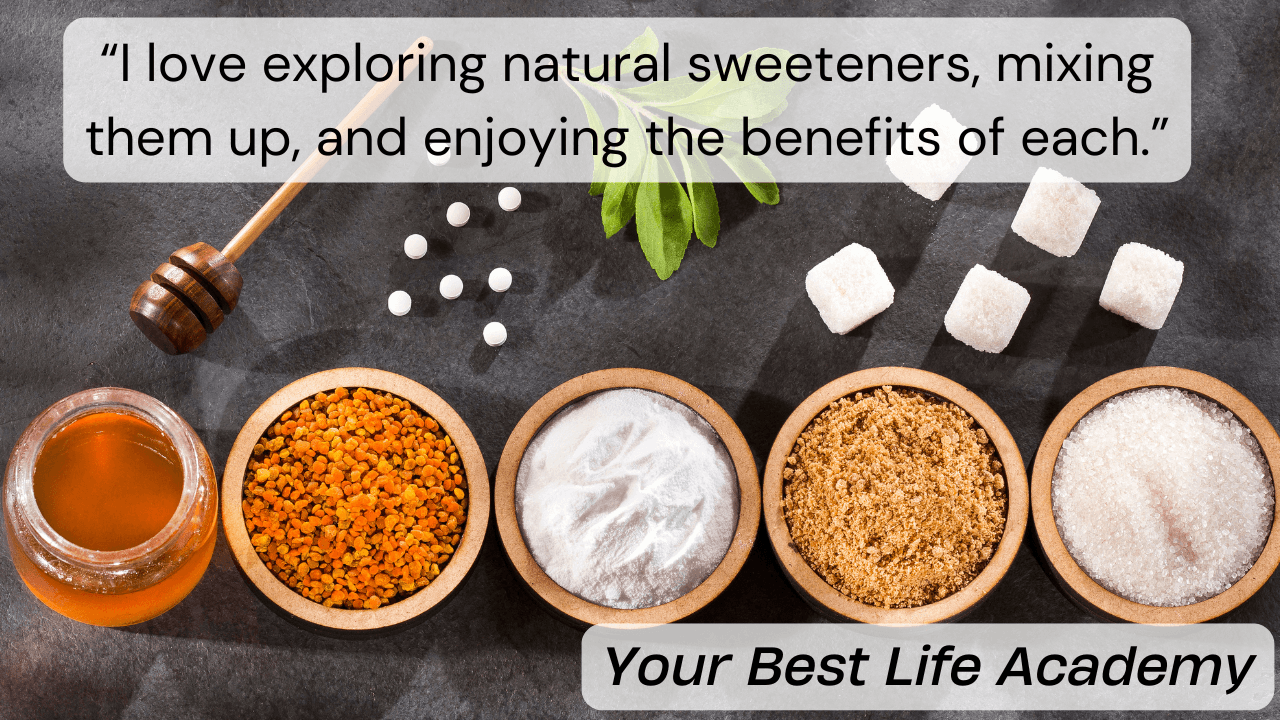
All Sweeteners Are Not Equal
You are most likely aware that sugar is addictive, and is not good for you - your health, your mind, or your body. I was listening to Dr. Mark Hyman's podcast on sugar today (Why quitting sugar could save your life) - and he mentions studies around sugar and it's impacts on body weight, as well as depression, and general health. It's definitely worth a listen, if you get a chance, and want to know more. (The link is in the 'Further Reading' section below.)
My Experiences with Various Sweeteners
I’ve been using sugar alternatives for many years now, and have explored most of them. I have mixed and matched, and changed around, depending on what I’m eating, and how my body is reacting. (My body has decided that if I have too much in the way of sweet food, that it will react by heating up – and the more fruit or sweet food I eat, the hotter I get! So I have been reducing the amount of sweet food I eat (and drink) quite a bit over the years.)
I thought it might be helpful to share what I’ve found, so you don’t have to start from scratch, like I did.
I prefer to eat the most natural, healthy, ‘whole food’ version of something if I can. (The processing of sweeteners also needs to be taken into account.) If I do buy sugar (every few years or so), I buy organic raw sugar, or coconut sugar, or similar. I avoid artificial sweeteners as well. (I’ve included a link which contains more information on this at the end of the blog post.)
I also use fruit as sweeteners, such as bananas in pancakes, blueberries in smoothies, etc. Cooked pumpkin and sweet potato are also great to add some sweetness without using sweeteners at all. (I put various gluten-free flours, a banana, and some coconut milk into a blender to make a delicious gluten-free pancake. You can also add a seed or nut butter if you like – I use tahini sometimes. Or you could add some coconut yoghurt. And I also make some great dips with cooked pumpkin/sweet potato and/or carrots to add a touch of sweetness.)
So, all that being said, shall we explore the various natural sweeteners, as well their benefits, and a few things to consider when exploring these?
1. Honey
Honey isn’t just sweet - it’s packed with antioxidants, vitamins, and minerals. It can help soothe a sore throat, boost your immune system, and even improve digestion.
Benefits
Contains antioxidants that fight free radicals.
Has antibacterial and anti-inflammatory properties.
May help with seasonal allergies (local raw honey).
Drawbacks
High in calories, so use it in moderation.
Not suitable for babies under one year old due to the risk of botulism. (Please see the WebMD article linked below – when can babies have honey.)
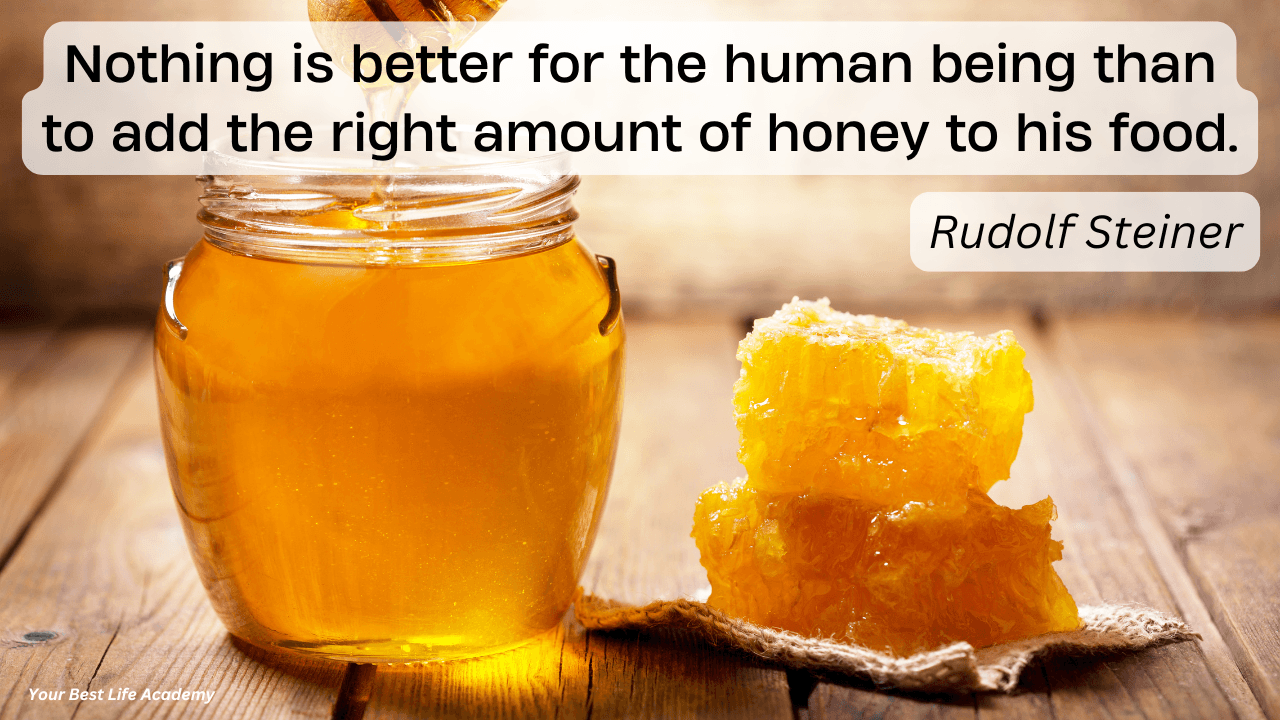
I try to buy raw organic honey whenever possible, to reduce the amount of processing it goes through (I've included a link at the end outlining the difference between raw and commercial honey.) I used to use honey in drinks (eg. hot chocolate, or with a lemon tea bag), or on weetbix (although I replaced that with fruit), or I add a touch of honey to cooking, for the sweet flavour, mixed with other natural sweeteners noted below.
2. Maple Syrup
This golden-brown syrup comes from the sap of maple trees, and is rich in nutrients like manganese and zinc. Note there is ‘pure’ maple syrup, and then imitation syrup, which is not the same thing. The pure version is delicious, and has a number of nutrients, however the imitation version is man-made.
Benefits
Contains more minerals than refined sugar.
A good source of antioxidants.
Delicious in baking, cooking, or drizzled over pancakes!
Drawbacks
Still high in sugar and calories, so don’t go overboard.
I adore maple syrup, but tend to limit its use, due to the high sugar content. I use the real maple syrup mainly on pancakes (yum!) as well as using it as a touch of flavouring in various recipes. I also used some of this while baking my own toasted muesli/granola, and it was delicious.
3. Stevia
Stevia is a plant-based sweetener that has zero calories, and is considered much sweeter than sugar, so a little goes a long way.
Benefits
Doesn’t spike blood sugar levels, making it great for diabetics.
Calorie-free and natural.
Safe for most people in moderate amounts.
Drawbacks
Some find it has a slightly bitter aftertaste.
Be cautious with highly processed stevia products that may contain additives.
This is a sweetener that I use a bit, but I usually mix it with other sweeteners. You can buy the green stevia, which is less processed, but less readily available (where I live). (I haven't tasted the green stevia, so can't comment on the taste.) I tend to use a small amount of the white stevia, with a small amount of monk-fruit, and/or other sweeteners. I use this in baking as well. I find by mixing it with other sweeteners the taste is better (richer) as well.
4. Coconut Sugar
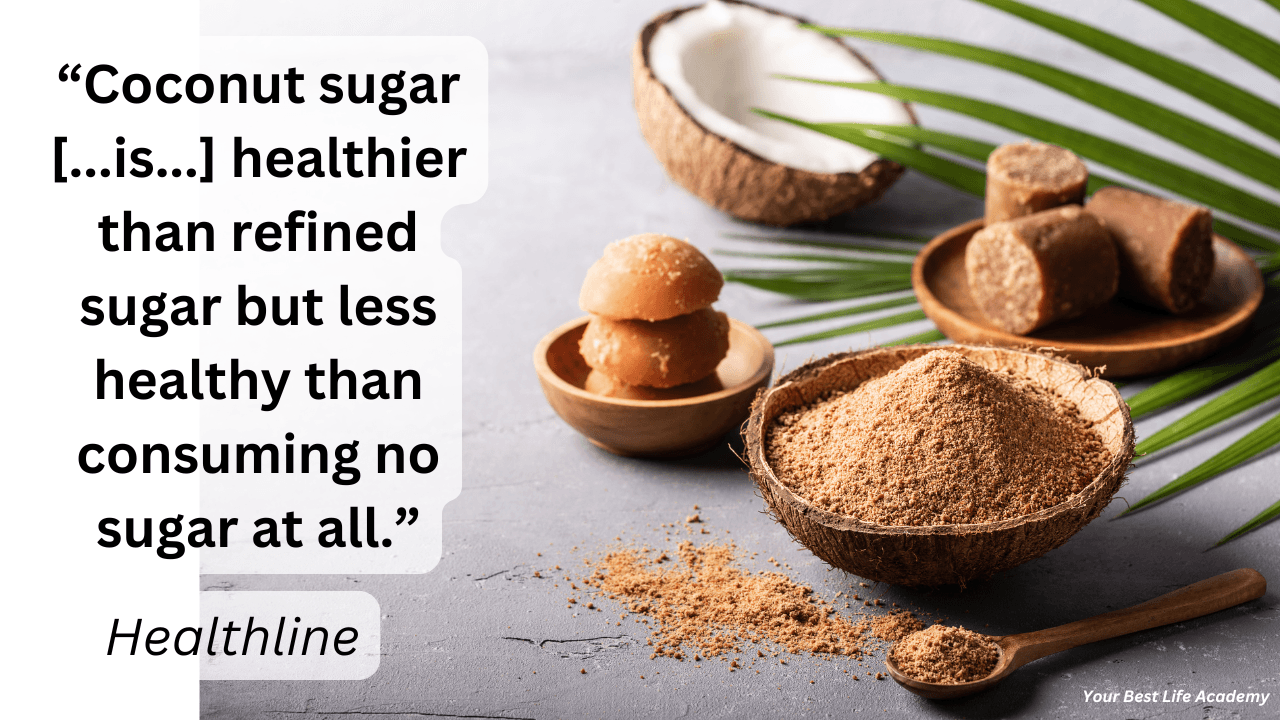
Made from the sap of coconut palm trees, coconut sugar has a lower glycemic index than regular sugar, meaning it won’t spike your blood sugar as quickly.
Benefits
Contains small amounts of minerals like iron, zinc, and potassium.
A more sustainable option compared to cane sugar.
Drawbacks
Still high in fructose, so treat it like regular sugar.
I use this like I use raw organic sugar – sparingly, and usually mixed with other sweeteners.
5. Date Syrup and Dates
Dates are nature’s candy, and they’re incredibly versatile. You can use whole dates in smoothies or baking, or try date syrup for a liquid option.
Benefits
High in fiber, which helps digestion.
Contains nutrients like potassium, magnesium, and vitamin B6.
A natural energy booster.
Drawbacks
High in natural sugars, so enjoy in moderation.
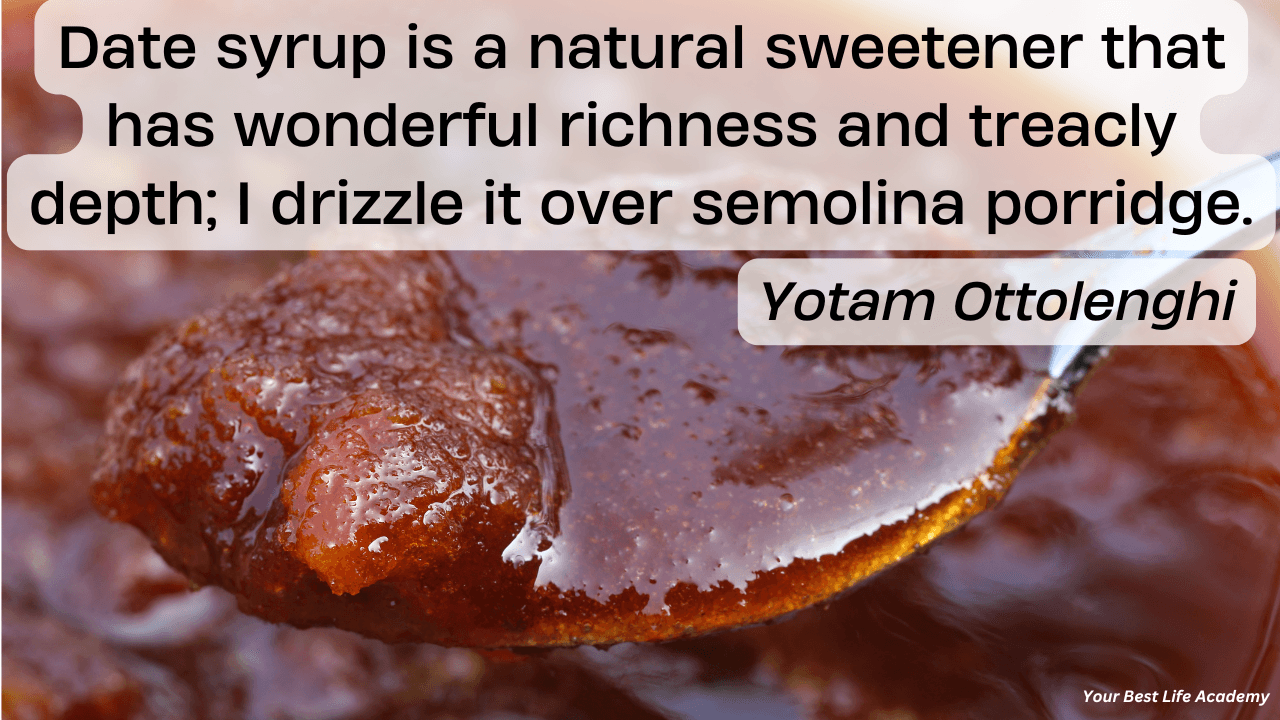
I use date syrup over pancakes now, rather than maple syrup, as it’s less sweet, but you still get a touch of sweetness. Again, I sometimes use this mixed with other sweeteners in various recipes. I might add a touch if making energy balls, and it needs something sweet and sticky, for example. I also use dates on occasion, sometimes in bliss balls, or in smoothies – or even in creamed rice. Or if I’m craving something sweet, and only need a taste. (I used to have sandwiches with mashed banana and cut up dates, which was delicious!)
6. Blackstrap Molasses
Molasses is a byproduct of sugar production, but it’s packed with nutrients like iron, calcium, and magnesium.
Benefits
Rich in iron, calcium, magnesium, and potassium.
Contains antioxidants, and has a lower glycemic index than sugar.
Adds a deep, rich flavor to dishes.
Drawbacks
Strong taste isn’t for everyone, or all recipes.
High in sugar, so limit your intake.
I’m not a huge fan of molasses, so don’t really use it myself, however thought it should be included, in case you like it! 😊
7. Monk Fruit Sweetener
Made from monk fruit, this sweetener has zero calories, and doesn’t raise blood sugar levels. (I've seen it in brown and white, and both are fine for me.)
Benefits
Great for diabetics, or those watching their sugar intake.
Completely natural, and calorie-free.
Drawbacks
Can be expensive compared to other sweeteners.
Often mixed with other sweeteners, so check labels.
I’ve used this for years as well, and usually mix it with other sweeteners. I usually use stevia, monk fruit sweetener, and maybe a touch of a honey or date syrup, if I’ve using it in recipes, such as creamed rice, or pancakes (before I switched to bananas), or custard, for example.
8. Agave Syrup
Agave syrup is derived from the agave plant, and is sweeter than sugar, so you can use less.
Benefits
Low glycemic index, meaning it doesn’t spike blood sugar as much.
A good vegan alternative to honey.
Drawbacks
High in fructose, which can strain the liver if consumed in excess.
I used this for a few years, however after a while, my body reacted to sweeteners, so I haven’t used for a while. I switched to date syrup instead, as it was less ‘sweet’. I used this in cooking, and for roasting my muesli/granola. I quite like the taste – which potentially meant I used more than perhaps I needed to?! 😉
9. Yacon Syrup
Extracted from the roots of the yacon plant, this syrup is low in calories, and acts as a prebiotic, supporting gut health.
Benefits
Helps feed healthy gut bacteria.
Low glycemic index and calorie content.
Drawbacks
Consuming too much may cause bloating, or digestive discomfort.
Not as widely available as other sweeteners.
I can’t recall if I’ve used this or not, however this blog wouldn’t be complete without it, so I’m including it anyway. I suspect I haven’t used it, and it could be due to the price and availability in Australia. (Please let me know what you think if you do use it, I’d be most interested to hear! 😊)
10. Brown Rice Syrup
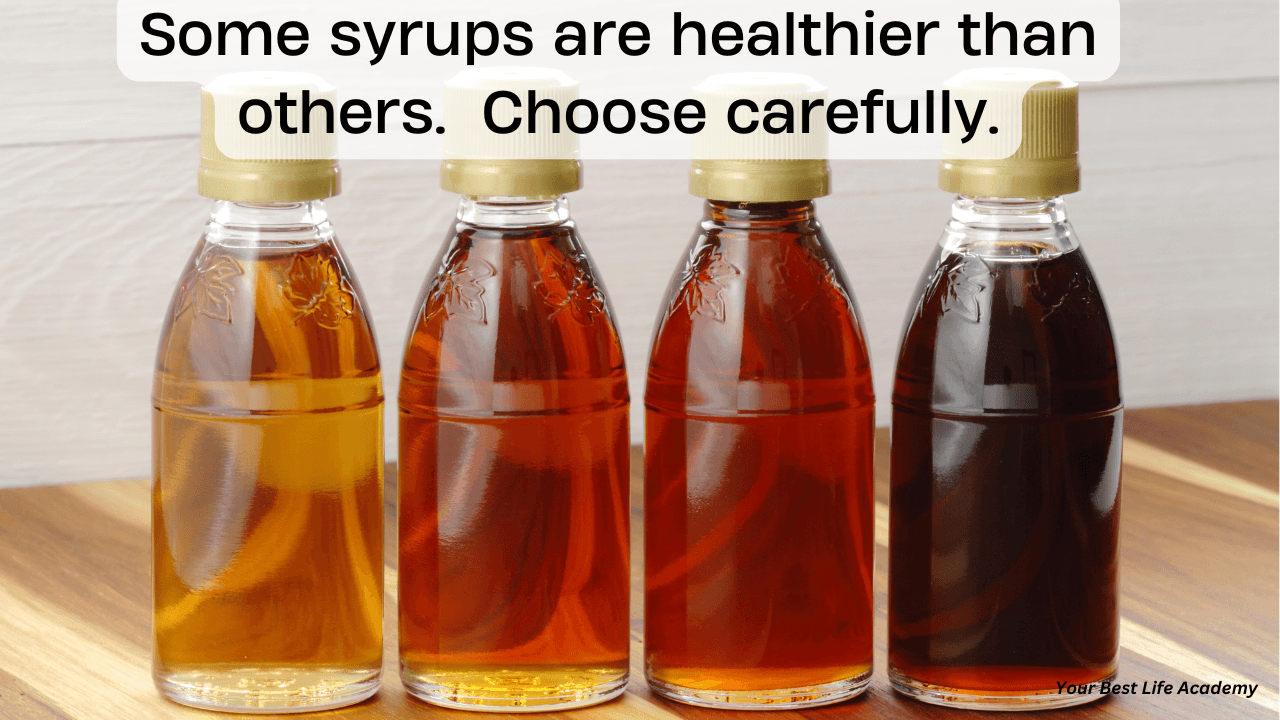
This can be good as a sweetener in cakes, or other baking. A lot of my older recipe books, or those focused on health, include brown rice syrup as the sweetner.
Benefits
A minimally processed sweetener derived from fermented brown rice.
Provides a steady energy release due to its complex carbohydrate content.
Has a mild, buttery flavor that works well in baked goods and sauces.
Drawbacks
High glycemic index, which can spike blood sugar levels.
Contains trace amounts of arsenic if not sourced carefully, so choose organic and reputable brands.
I used to use this a lot, but haven’t used it for a while now. I think I’ve still got some, but it’s in the back of the pantry, and I forget about it!
11. Mesquite (Bonus Addition!)
While not as sweet as other options, mesquite powder adds a subtle caramel-like flavor, and is often used in baking or smoothies.
Benefits
High in fiber, which helps with digestion.
Contains protein, calcium, magnesium, and potassium.
Low glycemic index, making it suitable for people watching their blood sugar.
Drawbacks
The flavor might not appeal to everyone in all recipes.
Not as widely available or as well-known as other sweeteners.
I use this in smoothies, and also in a hot milk drink with other supplements like medicinal mushrooms and other spices. I only use a little bit, but I enjoy the slight caramel-like flavor. I often add a touch of this when I’m mixing various sweeteners while cooking, adding different flavours to the dishes, for a richer taste.
12. Sugar Alcohols (Bonus Addition!)
ERYTHRITOL
There are a number of benefits, and drawbacks of erythritol. I’ve included a link to an article which contains more information on this (from UHHospital).
Benefits
Almost zero calories, and doesn’t spike blood sugar or insulin levels.
Gentle on teeth, and doesn’t contribute to cavities.
Suitable for baking and cooking due to its sugar-like texture.
Drawbacks
Can cause digestive discomfort, such as bloating or gas, if consumed in large amounts.
May have a cooling aftertaste in some recipes.
A new study suggests a potential link to increased risk of heart attack, stroke, and blood clotting.
XYLITOL
There are a number of benefits, and drawbacks of xylitol. I’ve included a link to a Healthline article on Xylitol, if you wish to explore this further.
Benefits
Low glycemic index and suitable for people with diabetes.
May reduce the risk of cavities and improve dental health.
Has a sweetness level similar to sugar, making it easy to substitute.
Drawbacks
Can cause digestive issues, such as diarrhea, if consumed in large amounts.
Toxic to pets, especially dogs, so handle with care.
The Power of Mixing and Matching Sweeteners
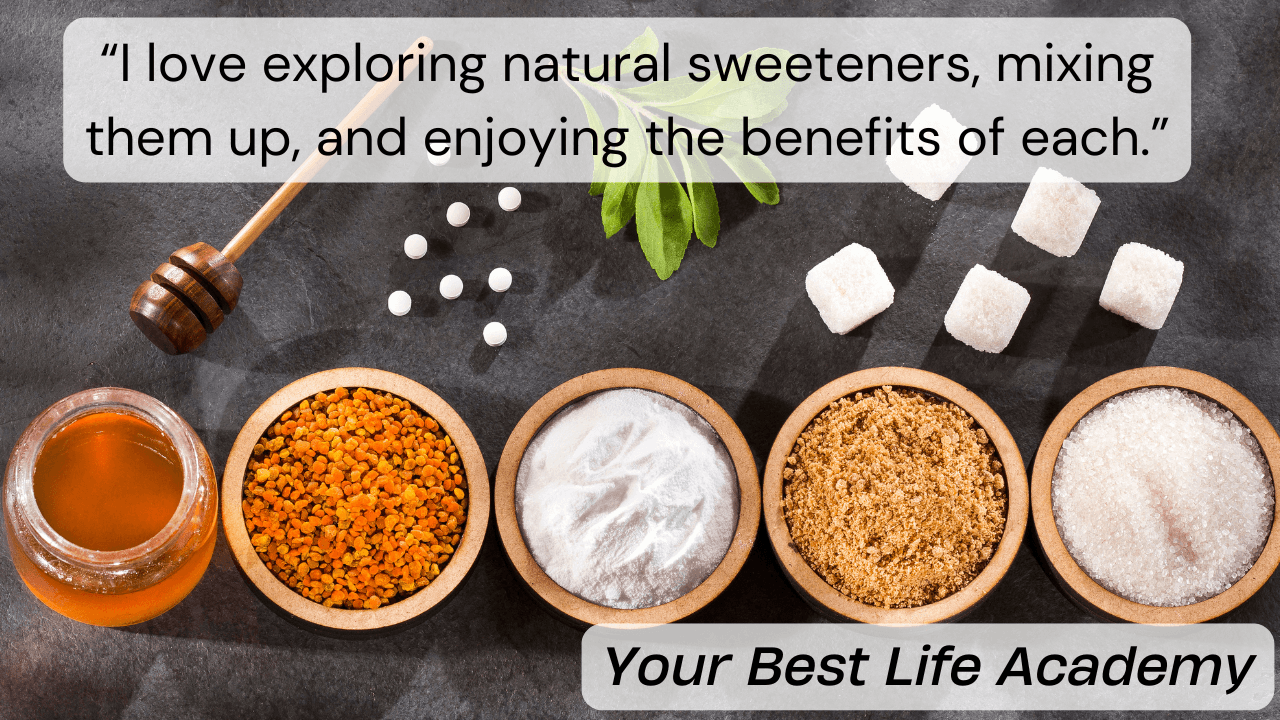
As mentioned earlier, I tend to mix and match sweeteners depending on what I’m making, and the taste that I’m after.
Sometimes, combining sweeteners can bring out the best in each one while reducing their drawbacks. A few potential mixes are mentioned below.
Honey & Stevia - Honey provides the rich flavor and nutrients, while stevia reduces the overall calorie count. Use this combo in tea, or homemade salad dressings.
Maple Syrup & Coconut Sugar - Maple syrup gives a deep, rich flavor, while coconut sugar keeps the glycemic index lower. Perfect for baked goods like cookies or muffins.
Molasses & Date Syrup - Molasses offers a robust taste, and date syrup balances it with its natural sweetness. This combo works well in oatmeal or smoothies.
Monk Fruit & Yacon Syrup - Monk fruit provides calorie-free sweetness, while yacon syrup adds gut-health benefits. Ideal for low-calorie desserts.
Benefits of Mixing
Balances flavors for a more complex taste (which I love).
Reduces the overall amount of sugar used (which I also love)!
Combines health benefits from different sweeteners.
Drawbacks
May require experimentation to find the right ratios.
Can be more expensive if using multiple sweeteners.
Sweetener Tips to Live Your Best Life
Moderation is key - Even natural sweeteners should be enjoyed in small amounts.
Read labels - Make sure you’re buying pure, minimally processed products.
Balance your diet - Pair sweeteners with nutrient-dense whole foods for a balanced approach to health.
Additional flavor - Sometimes I add things like cinnamon, and mesquite, to add a little more flavor, so you don't notice the sweetness (or lack thereof) as well. (Interested in cinnamon - the benefits, and contraindications? Grab our free ebook Discover the Magic of Cinnamon.)
By mixing and matching sweeteners, you can enjoy their combined benefits and flavors, while keeping things healthier. Mesquite, with its subtle caramel flavor, is a unique option to experiment with, and expand your sweetening toolkit.
What’s your favorite natural sweetener (or combo)? Let me know!
Final Thoughts
I hope you've enjoyed this overview of 12 different alternatives you could use to sugar. I've spent years experimenting with these, and it's nice to share this information with others who are interested as well. I'd love to hear what you use, and how you find it!
🙋 Frequently Asked Questions
As you explore healthier alternatives to refined sugar, you might have some questions. Outlined below are some answers to common queries to help you make informed choices.
1. What are natural sweeteners?
Natural sweeteners are sugar substitutes derived from natural sources like plants. Common examples include honey, maple syrup, stevia, and monk fruit extract.
2. Are natural sweeteners healthier than refined sugar?
Natural sweeteners often contain more vitamins, minerals, and antioxidants compared to refined sugar. However, the amounts are usually small, and it's important to consume them in moderation. Processing can also have an impact on nutrients, so you might like to consider that as well.
3. Can natural sweeteners help with weight management?
Some natural sweeteners, like stevia and monk fruit, are low in calories, and may aid in reducing overall calorie intake. However, others, such as honey and maple syrup, have similar calorie content to sugar and should be used sparingly.
4. Do natural sweeteners affect blood sugar levels?
Sweeteners like stevia and monk fruit have minimal impact on blood sugar, making them suitable for people with diabetes. In contrast, honey and maple syrup can raise blood sugar levels, and should be consumed cautiously by those monitoring their glucose.
5. Are there any side effects associated with natural sweeteners?
Some individuals may experience digestive issues, such as bloating or diarrhea, when consuming sugar alcohols like erythritol in large amounts. It's best to introduce new sweeteners gradually and monitor your body's response.
6. Can I use natural sweeteners in baking and cooking?
Yes, many natural sweeteners can be used in recipes. However, they may have different sweetness levels and properties compared to sugar, so recipe adjustments might be necessary. For example, stevia is much sweeter than sugar, so less is needed.
7. What is mesquite, and how is it used as a sweetener?
Mesquite powder is made from the pods of the mesquite tree and has a mild, caramel-like flavor. It's not as sweet as other sweeteners, but can add a unique taste to recipes like smoothies and baked goods. It's also rich in fiber and minerals.
8. Are natural sweeteners safe for children?
Most natural sweeteners are safe for children when used in moderation. However, honey should not be given to infants under one year old due to the risk of botulism. Please check with a medical professional prior to giving to children.
9. How do natural sweeteners compare to artificial sweeteners?
Natural sweeteners are derived from natural sources, while artificial sweeteners are synthetically produced. Both can be used as sugar substitutes, but they differ in taste, calorie content, and potential health effects. Some people prefer natural sweeteners to avoid synthetic additives.
10. Can natural sweeteners cause tooth decay?
Unlike refined sugar, some natural sweeteners like xylitol may help prevent tooth decay by inhibiting the growth of bacteria that cause cavities. However, others, such as honey, can contribute to tooth decay if proper oral hygiene isn't maintained.
Additional Resources
If you’re interested in your health, and would like more ideas on how to boost your health (even if you have a busy life), our Busy Life Health Boost Bundle might be just what you need! Packed with ideas to uplift your health, it’s designed to help you fit it into your life – no matter how busy you are!
Or if you'd like to focus on reducing sugar first, our Sugar-Free Journal helps you discover the best ways to support you on your journey - based on your own unique beliefs and values.
Want more practical ideas and thought-provoking content on a regular basis? Don’t miss out on all the hints & tips that you can implement over time! Sign up for weekly input to help you uplift your life – one week at a time!
We have also created stand-alone pages in the 7 life segments with all blogs, freebies, and paid products grouped together, so you can easily find and review items of interest to you. Click on the links below to find the areas of most interest to you!
Life Purpose & Best Life - Health & Wellness - Relationships - Abundance - Personal Growth - Peace of Mind - Spirituality & Energy.
References/Further Reading
https://www.healthline.com/nutrition/raw-honey-vs-regular
https://www.uhhospitals.org/blog/articles/2022/08/are-natural-sweeteners-healthier-than-sugar
https://www.healthline.com/nutrition/coconut-sugar#
https://www.cancercenter.com/community/blog/2022/10/natural-vs-refined-sugars-what-is-the-difference
https://www.healthline.com/nutrition/healthy-natural-sweeteners
https://www.webmd.com/baby/when-can-a-baby-have-honey
Disclaimer
This blog post is for general information only and is not intended to be medical or nutritional advice. Everyone’s body is different, so please speak with your doctor or a qualified health professional before making any changes to your diet — especially if you have any existing health conditions, are pregnant, or are taking medication. While natural sweeteners can be helpful for some people, they may not be suitable for everyone. Always read labels, choose high-quality products, and listen to your body.
Your Best Life Newsletter
Your Weekly Dose of Inspiration to Live Your Best Life!
✔️ Get practical tips to feel happier, healthier, and more fulfilled.
✔️ Discover easy ways to bring more joy and purpose into your life.
✔️ Be the first to know about new blogs, free resources, and special offers.
💌 Join our supportive community today — it's free!
© 2025 Your Best Life Academy