
Why The Richest Man in Babylon Is Still One of the Best Money Books
Published: 14 March 2026
Free Resource Added: 30 September 2026
If you have ever felt confused about money, worried about saving enough, or wondered why wealth seems easier for some people than others, The Richest Man in Babylon by George S. Clason offers some simple yet powerful lessons that can change how you think about money. First published in 1926, this classic personal finance book shares easy-to-understand stories that reveal timeless habits for saving, growing wealth, and creating financial security.
In this review, we explore some of the key ideas from the book, and how you can use these practical money principles in your daily life to feel more confident, calm, and in control of your finances.
One of the most loved personal finance books of all time is The Richest Man in Babylon, by George S. Clason. Even though it was first published almost 100 years ago (and the writing does reflect that), the lessons inside are still simple, practical, and very useful today.
I love this book, as it is written in story format, is easy to read, and easy to understand (even if it is written in an old-fashioned style). It’s a simple, straight-forward book on money – without complicated financial language – which offers the basics in understanding and managing money, in a calm and sensible way.
A Little Background on the Book
The Richest Man in Babylon was first published in 1926. The stories originally appeared as short pamphlets written by George S. Clason, which were distributed by banks and insurance companies in the United States. Their goal was to help people understand basic money principles.
Because the advice was so easy to understand, and so helpful, the stories became extremely popular. Eventually they were collected into a book.
Since then, the book has sold millions of copies worldwide, and has been translated into many languages. It is often recommended alongside other classic money books because the principles are timeless.
Why the Book Is Different
Instead of teaching finance in a serious or complicated way, George S. Clason uses short stories set in ancient Babylon.
Through characters like Arkad, the richest man in the city, readers learn simple financial concepts about saving, investing, and managing money wisely.
This storytelling approach makes the lessons easy to remember, engaging and interesting. You can also consider how they can apply in a practical sense in your own life.
Even people who normally avoid finance books often enjoy this one. And after all, money doesn’t have to be complicated – so why not get the fundamental basics in an easy-to-read book?
The Core Lessons from the Book
1. Pay Yourself First
One of the most famous lessons from the book is ‘A part of all you earn is yours to keep.’
In simple terms, this means save at least 10% of your income before spending anything else. Instead of saving what is left over (which is often nothing), you save first. An example of what this could look like is below.
If you earn $100 → save $10
If you earn $1,000 → save $100
I’ve actually done this for most of my working life (although to be fair, I’ve also used it over time, as required, for example when I went overseas for a number of years).
Over time, these small amounts grow and create financial security. (It is also helpful to create an emergency account – so even if it is spent, at least you have the money handy when required eg. for a broken fridge or heater, or an unexpected car or house expense.)
2. Control Your Spending
The book also explains what many people experience – that expenses tend to grow to match income.
This means that even if someone earns more money, they may still feel broke if their spending keeps increasing. This could be because a belief of ‘I’m earning more now, so I can afford that.’
This particular lesson urges you to:
Know where your money goes
Spend money on what truly matters, rather than pretty but useless items
Avoid unnecessary lifestyle inflation
This is not about deprivation but rather, about conscious choices. If you have a longer-term goal, such a holiday in Europe, it helps to keep it in mind, and minimise expenses that won’t take you where you want to go.
3. Make Your Money Work for You
Saving money is the first step, but the next step is investing it wisely.
The book explains that money can begin to earn more money, which then earns even more. This is the power of compounding.
In modern terms, this might include investments, account earning good interest, and assets that grow over time (eg. stocks, or real estate).
(While you’re investigating this, some people like the idea of ‘hard tangible assets’ like real estate or gold or art, rather than ‘paper assets’ such as bonds or stocks. It’s a matter of researching and discovering what aligns with your own thoughts, values, and time.)
The idea is simple: your money becomes a worker for you.
4. Protect Your Wealth
Another key lesson is to avoid risky or poorly understood investments.
In the book, several characters lose money because they trust advice from people who are not experts. In this chapter, the message is clear.
Seek advice from people who understand the market you are interested in, and have the experience and testimonials to back it up.
Avoid ‘get rich quick’ schemes
Protect what you have built (like Warren Buffet, the richest investor in the world)
Slow and steady growth often leads to better long-term results.
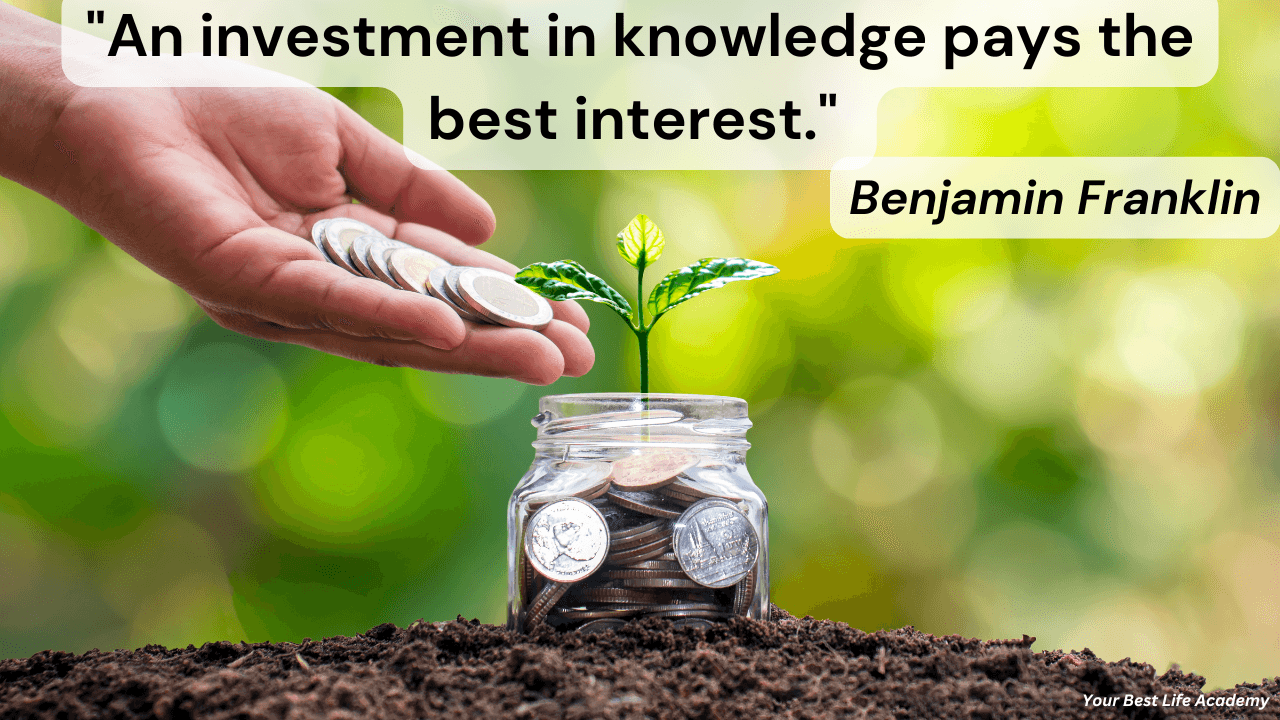
5. Invest in Yourself
One of the more inspiring messages in the book is that your ability to earn is one of your greatest assets. It’s also one that nobody can take away from you.
Learning new skills, improving knowledge, and growing as a person can increase your opportunities.
It’s also important to understand what you decide to invest in. A great rule of thumb is that if you don’t understand it (fully), then don’t invest in it. I know that some people like to invest in real estate, because people need to live in home, and historically, they work in commercial or retails spaces, and it’s easy to understand.
Increasing your knowledge and understanding of money and investments helps you understand and invest in good opportunities.
Why This Book Is Still Popular Today
There are many finance books available, but The Richest Man in Babylon continues to stand out for several reasons. (In addition to the reasons below, I personally like it as it is an easy to read and easy to understand book.)
The ideas are simple and timeless
The stories make the lessons easy to remember
The advice focuses on concepts and practical habits, not complex strategies
It encourages personal responsibility and patience
It can be a great first step in understanding money in a healthy way. And the easy reading aspect means that you can read or discuss with friends and family, even a lot of children, so you can talk about the ideas together. (My Dad read it to me when I was young, and I enjoyed it.)
How You Can Use These Lessons in Daily Life
You do not need to change everything overnight. Once you understand the concepts, you can consider what small steps are most appropriate for you. As I have mentioned in other articles, small steps can make a big difference over time. (They are also good when making changes, so you can take the time to become comfortable with various changes.)
There are a number of places you could start, but a few ideas are outlined below.
Saving 10% of your income (preferably in an interest bearing account, automatically set up for payment each payday)
Tracking your spending for a month (and considering cheaper alternatives)
Learning basic investing
Avoiding impulsive financial decisions (sleeping on everything)
Improving your skills and knowledge
These small actions build momentum over time. And each action and learning increases your confidence, and financial understanding.
Final Thoughts
The Richest Man in Babylon by George S. Clason reminds us that wealth is rarely built through luck or quick wins. He outlines simple strategies and practices that can be taken to help manage and grow your money. Your financial abundance can grow if simple practices (like those mentioned below) are practiced consistently.
Saving regularly
Spending wisely
Investing carefully
Continuing to learn
And even though the book was written nearly a century ago, its message is still valid today.
Sometimes the most powerful wisdom really is the simplest.
🙋 Frequently Asked Questions
1. What is The Richest Man in Babylon about?
The Richest Man in Babylon is a classic personal finance book that teaches simple money habits through short stories set in ancient Babylon. The book explains how to save money, manage spending, grow wealth, and build financial security over time. It shares practical lessons that anyone can understand, and apply in everyday life.
2. Why is The Richest Man in Babylon still popular today?
Even though The Richest Man in Babylon was first published in 1926, the money principles in the book are timeless. It is still a well-loved book, as:
The ideas are simple and easy to follow
The stories make the lessons easy to remember
The advice focuses on habits that work in any economy
Many readers find that the book helps them feel more confident and calm about their financial future. They follow the concept, rather than complicated financial advice.
3. What is the most important lesson from The Richest Man in Babylon?
One of the most famous lessons from the book is ‘A part of all you earn is yours to keep.’
This means saving a portion of your income before spending it. The book suggests starting with saving at least 10% of what you earn. (I’ve done this a good portion of my working life, and found it helpful to save.)
For many people, this simple habit is the first step toward building wealth and financial stability.
4. What if I feel like I don’t earn enough money to save?
This is one of the most common challenges people face.
The idea in The Richest Man in Babylon is not about saving huge amounts of money. It is about building the habit of saving. (And automated savings are a great way to do this.)
You can start small. Even saving a small percentage of your income can begin the process.
Over time, the habit becomes easier, and the amount you save can grow as your income grows.
5. How can I control my spending if everything feels expensive?
Many people feel this pressure today. One helpful idea from the book is to separate wants from true priorities. There are a few different ways you can try this.
My favourite is buying items at a great price. I’ve discovered a great fruit and vegetable shop which sells overflow items (or items which need to be eaten soon), and saved a LOT of money. A few other ways are:
Tracking your spending for a month
Identifying what truly adds value to your life
Reducing purchases that do not bring lasting benefit
The goal is not to remove all enjoyment from life. It is about making conscious choices so your money supports the life you want.
6. How can I start making my money grow?
Once you begin saving, the next step is to make your money work for you.
This means putting your savings into places where it can grow over time, such as investments or accounts that earn interest. (These can also change over time, so it is a good practice to review them annually.)
The book encourages learning before investing, and seeking advice from people who understand the investment market. Make sure you understand whatever it is you are investing in. Avoid quick-profit promises that sound too good to be true.
7. What if I have made financial mistakes in the past?
Many people feel regret about past money decisions. Treat it as a learning experience, keep learning, and keep going.
The lessons from The Richest Man in Babylon focus on building new habits going forward. Small changes made consistently can lead to powerful results over time.
The most important step is simply beginning today.
8. Is The Richest Man in Babylon a good book for beginners?
Yes, it is often recommended as one of the best beginner books on money. Because the ideas are explained through stories, the lessons are easy to understand, even if you have never studied finance before.
Many readers say it helped them see money in a clearer and more positive way.
9. How can I apply the lessons from The Richest Man in Babylon in real life?
There are a number of simple actions you can take.
Save a percentage of your income regularly
Be mindful about spending
Learn about investing before taking risks
Keep improving your skills and knowledge
Over time, these habits can help create greater financial stability, confidence, and freedom.
📚 Additional Resources
To kick-start your journey, you could also use our free 7-Day Challenge 'Abundance Starts Within', to help you discover your current abundance mindset. If you discover some unhelpful beliefs, it’s a great opportunity to work on them, so they help you move forward in your abundance journey (rather than against you)!
And if you suspect that perhaps you could be better at Abundance, however your people pleasing tendencies are getting in the way, our free 7-Day People Pleasing Challenge can help.
Want more practical ideas and thought-provoking content on a regular basis? Don’t miss out on all the hints & tips that you can implement over time! Sign up for weekly input to help you uplift your life – one week at a time!
We have also created stand-alone pages in the 7 life segments with all blogs, freebies, and paid products grouped together, so you can easily find and review items of interest to you. Click on the links below to find the areas of most interest to you!
Life Purpose & Best Life - Health & Wellness - Relationships - Abundance - Personal Growth - Peace of Mind - Spirituality & Energy.
📖 References/Further Reading
The Richest Man in Babylon by George S. Clason
📝 Disclaimer
The information in this article is for general education and inspiration only. It is based on ideas shared in The Richest Man in Babylon by George S. Clason, and is intended to help you think about money habits and financial wellbeing.
This content is not financial, legal, or professional advice. Everyone’s financial situation is different, so the ideas shared here may not be suitable for your personal circumstances. Before making financial decisions, consider speaking with a qualified financial professional who can provide advice based on your individual needs.
While every effort has been made to provide helpful and accurate information, there are no guarantees about financial outcomes. Any actions you take based on this information are your own responsibility.
Please use your own judgment and choose what feels right for you and your situation.
Your Best Life Newsletter
Your Weekly Dose of Inspiration to Live Your Best Life!
✔️ Get practical tips to feel happier, healthier, and more fulfilled.
✔️ Discover easy ways to bring more joy and purpose into your life.
✔️ Be the first to know about new blogs, free resources, and special offers.
💌 Join our supportive community today — it's free!
© 2025 Your Best Life Academy