
Shared Bank Accounts: Building Trust or Creating Tension?
Published: 28 March 2026
Managing money with other people can feel simple at first… but it can quickly become confusing if expectations are not clear. Whether you are living with a partner, sharing a home with flatmates, or working toward a common financial goal, deciding how to handle shared expenses matters. Shared bank accounts can make paying bills and organising money easier, but they also come with important responsibilities.
This blog explores how shared bank accounts work, the benefits and possible drawbacks, and how to decide if a joint account is the right choice for you and your situation.

Money can bring people closer together… but it can also create stress if things are not clear.
When people share a home, a life, or common expenses, managing money can become complicated. Who pays what? When are bills due? And how do you keep things fair?
A shared bank account can sometimes make life easier. It allows two or more people to manage money together in one place. But like many financial decisions, it works best when people understand both the benefits and the risks.
I’ve recently opened my very first shared bank account, and I’d love to share how shared bank accounts work, when they can be helpful, and when they may not be the best option.
What Is a Shared Bank Account?
A shared bank account (often called a joint account) is a bank account owned by two or more people.
Everyone listed on the account usually has the ability to:
Deposit money
Withdraw money
View transactions
Help manage the account
This means each person has access to the funds inside the account.
Shared accounts are commonly used by:
Couples
Family members
Flatmates
Business partners
They are often used to manage shared expenses, rather than personal spending. (I know of people in each of these situations who have (or had) shared bank accounts. Sometimes they worked, sometimes they didn’t, and sometimes adjustments needed to be made.)

Why Some People Choose Shared Bank Accounts
Many people like shared accounts because they can bring clarity, convenience, and teamwork to managing money.
1. They Make Shared Expenses Easier
When people live together, there are usually regular expenses such as:
Rent or mortgage
Utilities
Groceries
Internet
Household supplies
A shared account allows everyone to contribute to the same place, and bills can be paid from that account.
This can reduce the stress and awkwardness of constantly tracking who owes what, and ensuring all bills are paid on time.
I know in the past, I’ve spent waaay too much time chasing people for updates and payments – and in addition to being time-consuming, it’s not fun. It also impacts relationships over time – even though they’re the ones not paying.
Having a shared bank account allows each of us to review the deposits and expenditures at a glance. It’s an easy, fast, and convenient way to track our money, and ensure we all pay the same amount, on time, so all bills (and rent) are paid – with no arguments, or chasing.
2. They Can Help People Feel More Organised
Money can sometimes feel messy or confusing.
A shared account can create a simple system where shared expenses are separated from personal spending. This makes it easier to see what money is available for bills.
I know some people who ensure that that set amount is available each week, so they don’t have to juggle what else is required. They know exactly how much is required each week, and ensure that that amount is available, and anything left over is their personal spending money.
For many people, this brings a sense of calm and control.
3. They Can Strengthen Financial Teamwork
For couples or families, a shared account can support a feeling of working together.
Instead of managing everything separately, people may feel they are contributing to a shared life.
One couple I know put shared expenses into a joint bank account, and anything else was their own personal spending money. This ensured that they felt all joint expenses were shared, yet they had their own money to spend on their own hobbies and activities, so didn’t feel constrained by the other person and their different values and priorities. This worked well for them.
It can also be helpful if people are working toward common goals, such as:
Saving for a home
Planning a holiday
Supporting a family
Creating long-term financial security
When money decisions are approached as a team, it can create a deeper sense of partnership.
The Challenges of Shared Bank Accounts
While shared accounts can be helpful, they are not always the right choice for every situation.
Understanding the possible challenges can help people make wiser decisions. While I obviously can’t note every potential issue that could arise (eg. one person dying, and others being locked out of the account; or untrustworthy people taking advantage of the funds), I’ve mentioned some of the more common ones below.
1. Different Spending Habits
People often have very different attitudes toward money.
One person might prefer to save carefully, while another enjoys spending more freely.
As you can imagine, this can cause a lot of friction, and would need to be clearly discussed, with some agreed ground-rules (preferably written and potentially signed) to help manage this. If this doesn't seem sufficient, it may be time to re-think the sharing of finances.
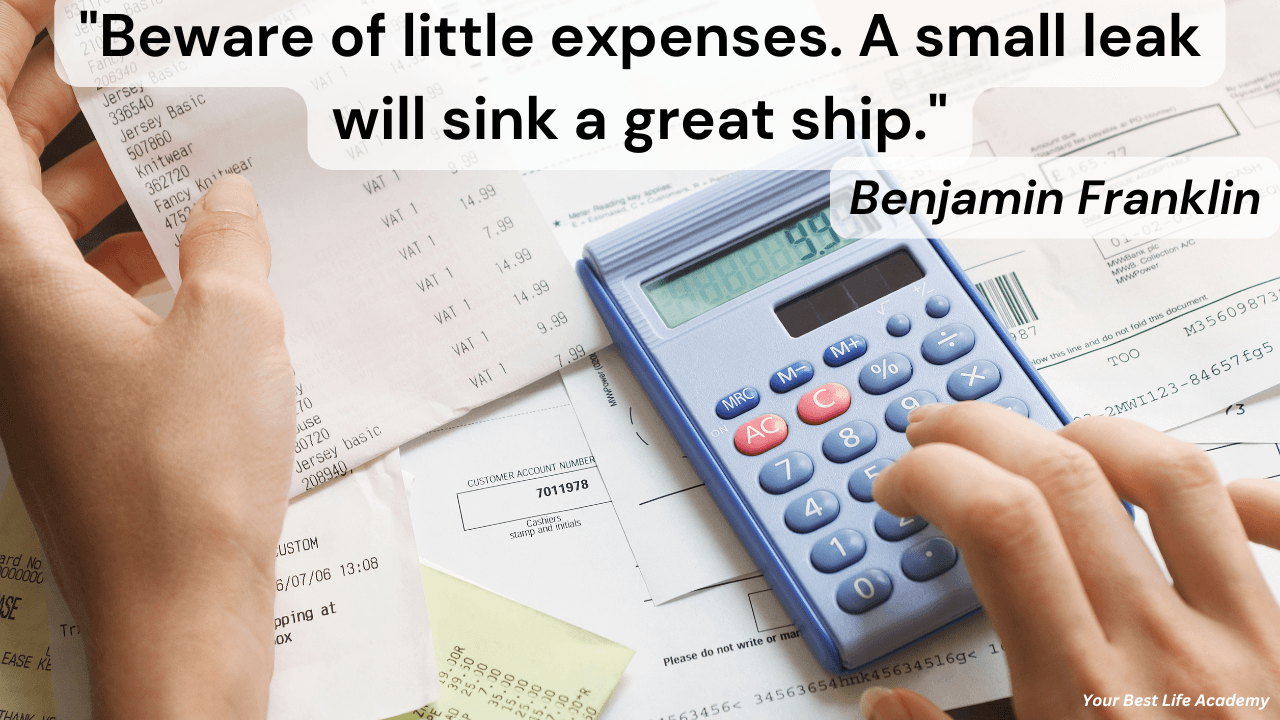
If expectations are not discussed clearly, these differences can lead to frustration or misunderstandings.
Money is deeply connected to emotions such as:
Security
Freedom
Control
Fairness
Because of this, honest conversations about money are very important.
2. Less Personal Privacy
When you share an account, everyone can see the transactions.
For some people, this level of openness feels supportive. For others, it may feel uncomfortable. (It may also depend on what the account is for. I have just opened a shared bank account with flat-mates, and so far it’s working brilliantly. We each put in the same amount on a regular basis, and only shared expenses come out of it, so while there is less privacy, in this instance it is not really required.)
If it is a couple or family situation, some people may prefer to have a small amount of financial independence and personal space. This is also helpful if one person passes away (or is incapacitated), as the joint bank account can be frozen, and the remaining person may not have any access to any of the money. I know a few people who have experienced this, and it’s not helpful. Many people keep a separate account on the side, ‘just in case.’
3. Shared Responsibility
With most shared accounts, each account holder has equal access to the money.
This means that any person on the account may withdraw funds. Having said that, some banks/accounts do allow for withdrawals requiring multiple signatories, which can help with unauthorized or unexpected withdrawals.
While this works well when trust is strong, it can become risky if the relationship changes or communication breaks down. (Potentially you could write down your intentions, and sign them off, although unless done by a legal professional, they don’t really have a strong legal standing.)
When Shared Bank Accounts Often Work Well
Shared accounts can work very well when people have clear communication and shared financial goals. I’ve noted a few situations below where they can be useful.
Couples Managing Household Costs
Many couples use a shared account to pay for everyday household expenses.
Each person may contribute a set amount regularly, and the account is used to cover shared bills.
Some couples keep personal accounts as well, which allows them to maintain both teamwork and independence.
Flatmates Sharing Living Expenses
Flatmates sometimes use a shared account to manage costs like rent and utilities.
Everyone contributes their share, and bills are paid directly from the account.
This can make shared living feel more organised and fair, and reduce the amount of time required to organise the payment of bills and rent. (This is what I’ve done, and it’s working brilliantly so far.)
Saving for a Shared Goal
Friends or family members may also open a shared account to save for something together, such as:
A group holiday
A wedding
A home deposit
A community project
Having a dedicated account can make saving feel more focused and motivating.

When Shared Accounts May Not Be the Best Choice
There are also situations where shared accounts may create more stress than simplicity. I know some people who only had shared accounts (with no additional personal accounts), and lost access when partners were incapacitated - for years. I also one person who lost money as a result of people taking advantage of a shared bank account/loan.
They may not work well when:
People have very different money habits
Financial trust is still developing
One person prefers complete financial independence
Clear agreements about spending are missing
In these situations, keeping finances separate while still communicating openly may feel healthier.
In my situation, I moved in with two friends who I trusted, and we each agreed that the shared account would be best. We discussed amounts to put in, and agreed what bills would be paid out of it. We all have access to view the transactions, and agree when house-hold expenses should be paid.
How to Open a Shared Bank Account
Opening a shared account is usually a simple process, although obviously this depends on the bank, and the situation.
Most banks will ask all account holders to:
- Provide identification
- Complete an application together
- Agree to the account terms
- Decide how the account will be used
Some banks allow accounts where any person can approve transactions, while others require approval from all account holders. It’s best to discuss this and agree on your approach before opening the account, and also to check that your preferred method is available in the bank that you select prior to opening the account.
Understanding these details can help avoid future confusion.
Shared Accounts vs Personal Accounts
A personal bank account belongs to one person. Only the account holder can access or control the money.
A shared account belongs to multiple people, and everyone listed on the account usually has access.
Because of this difference, many people choose to use both types of accounts. (I know a number of couples who take this approach. And as I mentioned, if one partner is incapacitated, the account is frozen – I know a couple of women who were in financial limbo for years when their husbands were incapacitated for that amount of time.)
A shared account for bills and shared expenses
Personal accounts for individual spending and savings
This approach can create a healthy balance between shared responsibility and personal freedom.
Talking About Money Matters
As you know, money conversations are not always easy.
They can bring up deeper feelings about safety, fairness, independence, and trust.
But avoiding these conversations can often lead to more stress later – especially in the case of a shared bank account.
Taking time to talk openly about financial expectations can help people feel:
Heard
Respected
Clear about responsibilities
When I first considered a shared bank account with my friends/flatmates, I was a little surprised, as I had never had one before. However, the obvious advantages, and the fact that I trusted them, lead me to approach them about this option. I spoke to them individually first, to see if they were open to it, and then when they agreed, we had a conversation together, where we discussed what items we thought could be paid using it, and also our parameters around the bank account. Luckily, we all agreed, and we opened one up the same day we signed up for the house.
When people approach money with honesty and kindness, financial decisions often become much easier.

Final Thoughts
A shared bank account can be a helpful tool for managing money together.
It can simplify bills, support shared goals, and create a stronger sense of teamwork.
But it obviously works best when people are clear about their expectations, and share all their thoughts and concerns upfront, prior to organising a bank account. If concerns or hesitations about money hold them back, it could have costly implications down the track (in the form of relationships, as well as money).
When trust, communication, and respect are present, shared finances can feel less stressful and more supportive of the life people are building together.
🙋 Frequently Asked Questions
1. What is a shared bank account?
A shared bank account (also called a joint account) is a bank account that two or more people own together. Everyone listed on the account can usually deposit money, withdraw money, and view transactions. People often use shared accounts to manage common expenses, such as rent, household bills, or savings for a shared goal.
2. Who can open a shared bank account?
Shared accounts can be opened by many types of people, including:
Couples or partners
Family members
Flatmates
Business partners
Friends saving toward a shared goal
Most banks simply require identification from each person, and agreement to the account terms.
3. Is a shared bank account a good idea?
A shared bank account can work very well when there is trust, clear communication, and agreed expectations.
It can make paying bills easier and help people feel organised with shared expenses. However, it may create stress if people have very different spending habits, or if expectations about money are unclear.
The key is having open conversations about how the account will be used.
4. Can one person take money out of a shared bank account?
In many shared accounts, any account holder can withdraw money. This is why trust and clear agreements are important.
To reduce worry, people often agree on simple guidelines, such as:
Using the account only for shared expenses
Discussing larger purchases first
Keeping personal spending in separate accounts
These small agreements can help everyone feel more comfortable.
5. Should couples combine all their money into one account?
There is no single answer that works for everyone.
Some couples combine everything into one account, while others prefer a mix of shared and personal accounts.
For example, many couples use a shared account for:
Household bills
Groceries
Family expenses
And keep personal accounts for individual spending. This approach can balance teamwork and personal independence, and I have seen a number of examples of people using this model well.
6. How much should each person contribute to a shared account?
This depends on the situation.
Some people contribute equal amounts, while others contribute based on their income. The most important thing is that the arrangement feels fair and clear to everyone involved.
Talking openly about money expectations can prevent resentment later.
7. What happens if one person spends more than expected?
Different spending habits are one of the most common challenges with shared bank accounts.
If this happens, it can help to:
Talk about expectations calmly and honestly
Agree on what the account should be used for
Set spending limits if needed
Clear agreements can bring back a sense of balance and fairness.
8. Can a shared bank account affect your credit or financial responsibility?
In some situations, all account holders may share responsibility for overdrafts or debts connected to the account.
This means the actions of one person could affect the others. Before opening a shared account, it helps to understand the bank’s rules, and make sure everyone feels comfortable with the arrangement.
9. Can you close a shared bank account?
Yes. A shared account can usually be closed if all account holders agree.
Before closing the account, it’s important to:
Pay any outstanding fees or overdrafts
Cancel automatic payments
Move remaining funds to another account
Taking these steps can make the transition smoother for everyone involved.
10. What is the best way to avoid problems with shared bank accounts?
The best way to avoid problems is through clear communication and shared understanding.
There are a number of steps which can help with this.
Decide what the account will be used for
Agree how much each person will contribute
Discuss how spending decisions will be made
Check in regularly about how things are working
As you know, money can bring up strong emotions about security, fairness, and independence. When people approach these conversations with respect and honesty, shared finances can become much easier to manage.
📚 Additional Resources
If you're considering opening a shared bank account, and think that you may have a different abundance mindset to the other person, it might be helpful to do our 'Abundance Starts Within' 7-Day Challenge. Doing this together could help you discuss your abundance mindsets and/or beliefs, as part of your communication prior to opening an account.
Want more practical ideas and thought-provoking content on a regular basis? Don’t miss out on all the hints & tips that you can implement over time! Sign up for weekly input to help you uplift your life – one week at a time!
We have also created stand-alone pages in the 7 life segments with all blogs, freebies, and paid products grouped together, so you can easily find and review items of interest to you. Click on the links below to find the areas of most interest to you!
Life Purpose & Best Life - Health & Wellness - Relationships - Abundance - Personal Growth - Peace of Mind - Spirituality & Energy.
📖 References/Further Reading
📝 Disclaimer
This article is for general information and educational purposes only. It is not financial, legal, or professional advice. Every financial situation is different, and what works well for one person or relationship may not work for another.
Before opening a shared bank account or making financial decisions, it may be helpful to consider your personal circumstances and, if needed, speak with a qualified financial adviser, or banking professional, or obtain personalised legal advice.
While we aim to provide helpful and accurate information, we cannot guarantee that all details are complete, current, or suitable for your specific situation. Always check the terms and conditions with your bank or financial institution before opening or managing a shared account.
By reading this article, you acknowledge that any actions you take based on the information provided are your own responsibility.
Your Best Life Newsletter
Your Weekly Dose of Inspiration to Live Your Best Life!
✔️ Get practical tips to feel happier, healthier, and more fulfilled.
✔️ Discover easy ways to bring more joy and purpose into your life.
✔️ Be the first to know about new blogs, free resources, and special offers.
💌 Join our supportive community today — it's free!
© 2025 Your Best Life Academy