
How Compromise Creates Peace: Finding the Right Balance in Life and Love
Published: 21 February 2026
Struggling to find common ground in your relationships or daily life? The art of compromise is the key to creating harmony and reducing conflict — whether at home, work, or with friends.
In this blog post, we’ll explore why compromise can be so challenging, the emotional hurdles it brings, and how learning to navigate this skill can strengthen your relationships, boost your happiness, and bring peace to your life. Ready to find balance and make your connections stronger? Read further to see how this can be applied to your own life.
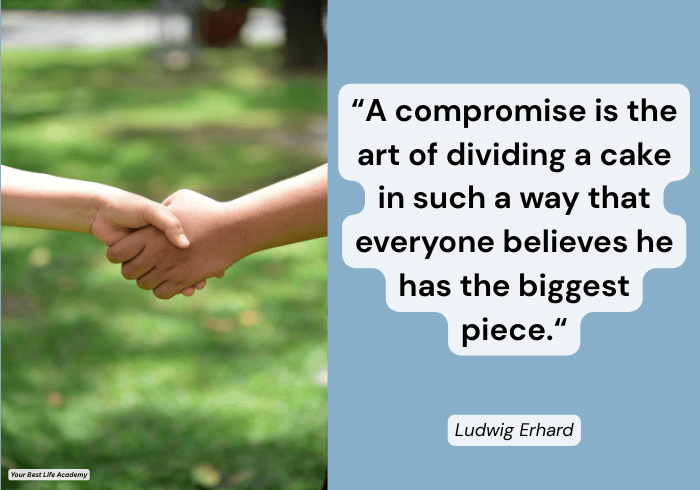
While compromise is a word we hear often, it's not always easy to put into practice. Whether at home, work, or in our personal relationships, the ability to compromise is one of the most important skills for creating harmony and peace. But what does it really mean to compromise? And why is it so challenging sometimes?
This article explores the art of compromise — why it’s so essential, the emotions and values that come into play, and how mastering this skill can lead to stronger, healthier connections — and a more balanced life, and more peaceful environment.
What Is Compromise and Why Is It Important?
At its core, compromise is about finding a middle ground when two people or groups have different needs, desires, or opinions. It means giving up a little of what you want, so someone else can have a bit of what they need, too. In essence, compromise is about balance and mutual respect. When each of you show respect and compassion, by offering a little give and take, so you each gain something, it helps the relationship grow.
In relationships, whether with a partner, friend, family member, or even a co-worker, compromise helps to prevent conflict from escalating, and creates space for understanding. It’s what keeps the peace while allowing everyone’s voice to be heard.
When moving house recently, my new flatmates and I had to reach a few compromises. I wanted the main bedroom and ensuite for a yoga studio – and in return, I gave them the use of the garage. (We are in the middle of summer, and it is sweltering hot, so having a garage is a big deal.)
The Challenges of Compromise
Let’s face it — compromise isn’t always easy. It often feels like you’re giving up something important, and that can stir up emotions like frustration, resentment, or fear of losing what you care about. (There is an art to compromise — and yes, it can be learned.)
Here are some common challenges people face when trying to compromise:
1. Fear of Being Overlooked: The idea of giving in to someone else’s needs can feel like you’re being ignored, or undervalued. If you constantly compromise without getting anything in return, it may start to feel like you’re the only one sacrificing.
2. Emotional Attachment: Sometimes, the thing you're compromising over is something you’re deeply attached to — whether it’s a career decision, a family tradition, or a personal goal. Letting go of your attachment can be tough.
(When I was moving, the yoga room (where I can practice yoga, as well as my other spiritual practices, like meditation, chanting, or cleansing/healing journeys) was not something I was willing to compromise on — however, while the garage was important to me, I was willing to give it up in exchange, so it feels like an even exchange for each of us.)
3. Ego and Pride: It's natural to feel protective over your own views, especially when you believe you’re right. The idea of ‘giving in’ can sometimes feel like you're admitting weakness or failure.
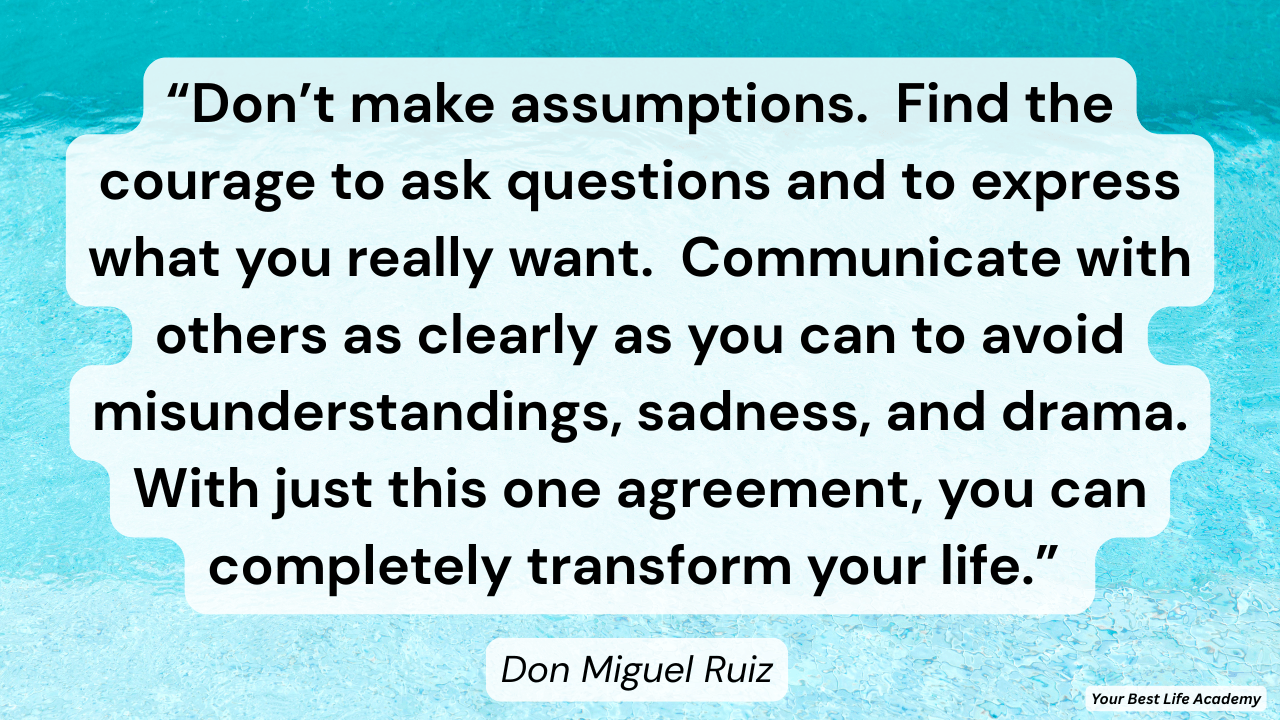
4. Miscommunication: If both sides don’t clearly express their needs, compromising can be difficult. Misunderstandings or hidden expectations can derail the process entirely.
Compromise is a skill. Ideally, everyone feels their own needs were heard and acknowledged. Clear and respectful communication is key.
The Values Behind Compromise
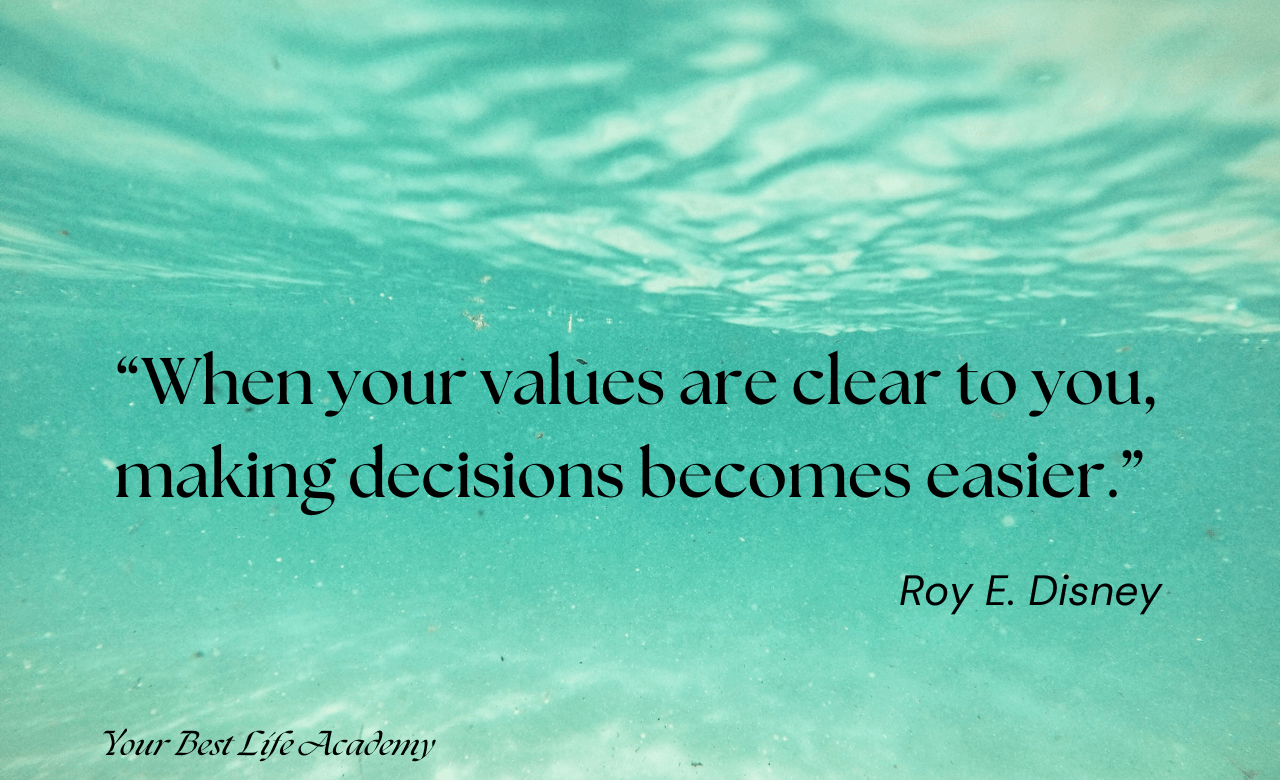
Despite these challenges, compromise is grounded in core values that help make it a win-win situation for everyone involved.
While there are a number of values that can come into play while compromising, I’ve outlined a few of the key values at the heart of the art of compromise below.
Respect: When you’re willing to listen to others and consider their needs, you’re showing respect for them, and their opinions. Respect is the foundation of all healthy relationships. (Respect is, in my opinion, essential to living your Best Life.)
Empathy: True compromise requires empathy — putting yourself in someone else's shoes, and seeing things from their perspective. The ability to feel for someone else’s situation allows you to be more open and understanding (which is often appreciated by other people — and if you don’t have this, it often impacts your relationships over time).
Patience: Compromise isn’t always immediate. Sometimes it takes time to work through emotions, and find that middle ground. Patience helps you navigate these moments without jumping to conclusions. (I often find that sleeping on issues can help you soften, or find new solutions that you can all live with. So if you’re struggling, this could be one strategy to try.)
Collaboration: Compromise isn’t about ‘winning’ or ‘losing’ — it’s about working together toward a solution that benefits both sides. When people collaborate, they strengthen their connection, and build a foundation of trust. (Each time you show a willingness to listen, and consider various options, it can strengthen a relationship.)
The Benefits of Mastering the Art of Compromise
When you embrace the art of compromise, the benefits can have a positive impact on many aspects of your life. Your skill at compromising can enhance your life and relationships.
1. Stronger Relationships: Whether with a partner, family member, or co-worker, compromise helps build trust. When both people feel heard and valued, relationships grow stronger. Compromise encourages cooperation, leading to a deeper connection with the people around you.
2. Reduced Conflict: By compromising, you’re able to address differences before they escalate into bigger conflicts. This helps keep tensions low, and prevents unnecessary resentments and/or drama. (And more peace is definitely helpful if you want to live your Best Life.)
3. Increased Happiness: Compromise often leads to a solution where both parties walk away satisfied, even if they didn’t get everything they wanted. The result is often greater happiness (at being heard and offered some of what they want), and less stress in the long run (from resentment or anger at not being heard).
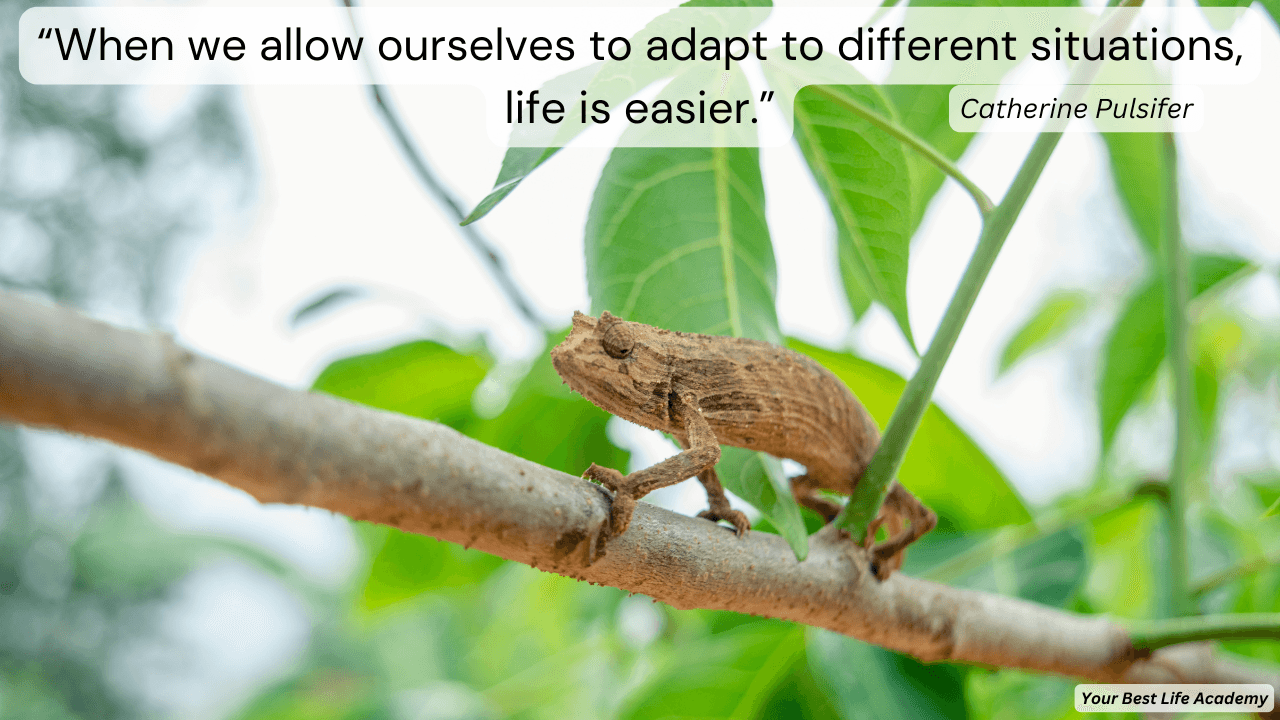
4. Personal Growth: Learning to compromise teaches you to be more flexible and open-minded. It challenges you to think beyond your own desires, and consider the bigger picture, which helps you grow as a person.
5. A Sense of Balance: Life is about finding balance, in a way that works for you. Compromise allows you to create that balance in your relationships, career, and even with yourself. It’s not about giving up — it’s about sharing, learning, and growing together. (Balance is an individual thing — what works for one person won’t work for another, so you need to determine your own perfect balance.)
Why Active Listening Is the Key to Healthy Compromise
If you want better communication and stronger relationships (and the resulting peace and balance they can bring), active listening is where it starts.
Many conflicts don’t happen because people disagree. They happen because people feel unheard. When someone feels ignored or misunderstood, emotions rise quickly — frustration, defensiveness, resentment. In that emotional state, compromise feels almost impossible.
Active listening changes that.
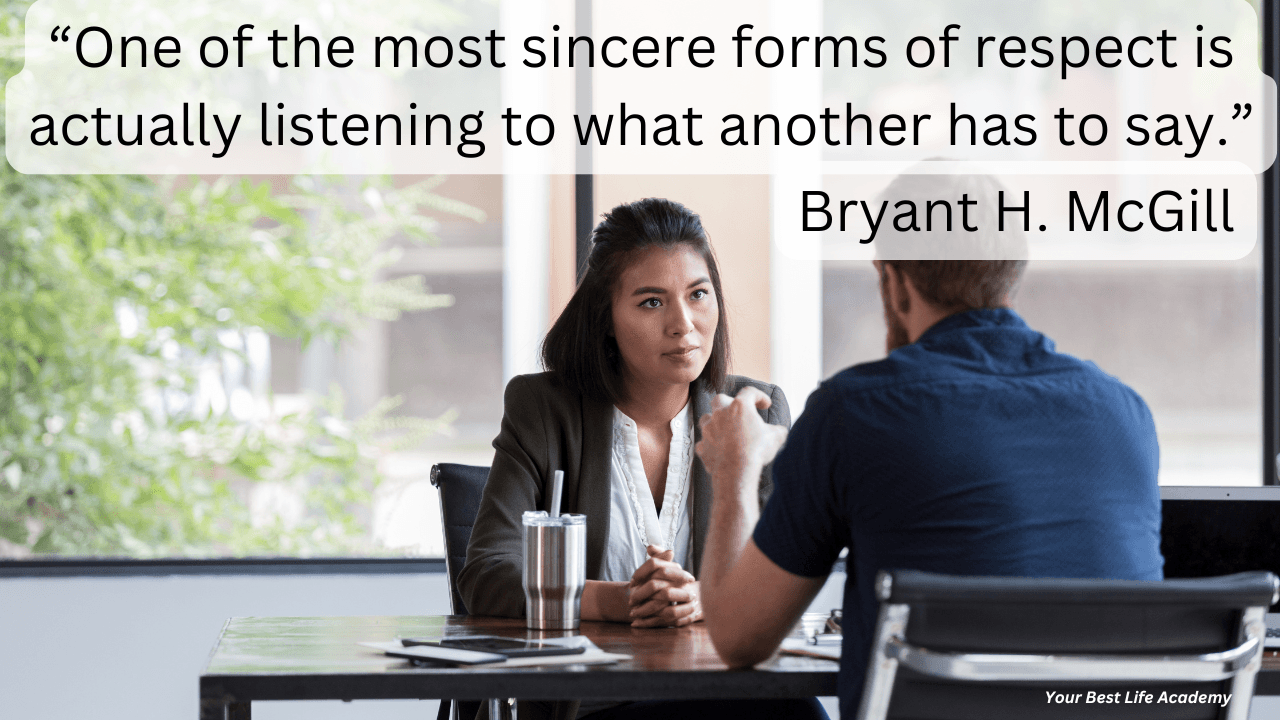
Active listening means fully focusing on the other person, without interrupting, judging, or planning your reply. It’s listening to understand, not to win. And when people feel truly heard, they soften. They become more open, more flexible, and more willing to meet halfway.
This simple skill helps you:
Reduce conflict in relationships
Build trust and emotional safety
Feel more connected and respected
Make compromise feel fair and balanced
The truth is, most people don’t need you to agree with them. They need you to listen to them, and try to understand them — and even if you still don’t understand them, the fact that you are actively listening, and trying to understand, will go a long way. (Our free Active Listening 7-Day Challenge can help with this.)
When you practice active listening, you create space for calm conversations, clearer solutions, and win-win outcomes. You move from power struggles to partnership.
And the best part is that it’s a skill you can build — one conversation at a time
How to Compromise Effectively
While compromise can be difficult, there are some ways to approach it thoughtfully, which can help with the effectiveness.
Communicate Clearly: Make sure you both express your needs and feelings. Understanding each other’s position is key to finding a fair compromise.
Stay Calm and Respectful: Keep your emotions in check. Approach the situation with respect and empathy, and avoid blaming or accusing language.
Know Your Non-Negotiables: Be clear about the things you can’t give up. Compromise is about finding balance, but that doesn’t mean sacrificing your core values, or what matters most to you. (I wasn’t willing to compromise on my yoga room when I moved out, which meant the other items had to be negotiable.)
Find Win-Win Solutions: Look for creative solutions that meet both of your needs. This may require some brainstorming, but often, you can find a compromise that works for both parties. (For example, one flatmate was speaking quite loudly at night, with a noisy fan on high, and keeping others awake. We tried a few options over time, and in the end, it was decided that the walk-in wardrobe of the yoga room would be the best place to make noise if they were staying up, and now the others are able to sleep, while the loud person can continue with their phone calls – just in another room of the house.)
Be Willing to Let Go: Sometimes, the best compromise is simply being willing to let go of something that isn’t essential. The ability to release control can often lead to unexpected rewards. (Another tip we use in our new house is that if one of us feels something very strongly, the others often give way, if it’s not as important to them.)
Sometimes it can take a little thought, a little experimentation, as well as a lot of communication, to find a solution that works for everyone. We all approach our issues with ‘it can be sorted out’, and keep going until we determine what is best at that time.
Final Thoughts
The art of compromise is all about finding balance. It’s not about losing — it’s about coming together, respecting each other’s needs, and building stronger, more harmonious connections. This in turn will lead to more peace – within you, and around you. The challenges are real, but the rewards are worth it. By learning to compromise, we can create relationships that are more fulfilling, peaceful, and long-lasting.
So, the next time you find yourself at a crossroads with someone you care about, remember — it’s not about getting everything you want — it’s about finding a way to move forward together, in a way that works for everyone.
🙋 Frequently Asked Questions
1. Why is compromise so hard sometimes?
Compromise can be difficult because it often feels like we’re giving up something we really want, or believe in. We might fear being ignored, misunderstood, or losing control over a situation. The key is to remember that compromise isn’t about ‘losing’ — it’s about finding balance, and making space for both people’s needs. The more you practice, the easier it becomes!
2. How do I compromise without feeling like I’m giving up too much?
Compromise doesn’t mean you always have to sacrifice something important to you. It’s about finding a middle ground where both sides feel valued. The trick is to know your non-negotiables — those things you absolutely can’t let go of — and focus on flexibility for the things that matter less. This way, you can give a little without feeling like you're losing too much.
3. How can I handle feelings of frustration or resentment when compromising?
It’s normal to feel frustrated or resentful if you feel like you’re always the one compromising. To avoid this, make sure both sides are being heard, and that the compromise is fair. Talk openly about your feelings, and be honest about your needs. If you're feeling drained, it’s okay to take a step back, and evaluate what’s truly important to you. Mutual understanding and clear communication can help reduce negative emotions.
4. How do I know when compromise is the right choice?
Compromise is a great choice when both parties are willing to adjust, and there’s no way to reach an ideal solution for everyone. If the issue at hand isn’t a deal-breaker, compromise allows you to move forward while keeping the peace. However, if the situation involves something deeply personal or core values, it may be worth exploring other solutions, like finding a completely new approach, or agreeing to disagree.
5. How can I become better at compromise?
Improving at compromise starts with understanding and empathy. Work on listening carefully to others, even if you disagree. (Our free Active Listening 7-Day Challenge can help with this.) Ask questions to get to the heart of their needs, and be open to flexibility. Over time, you'll develop a sense of balance between your desires and theirs. Remember, compromise is a skill, and like any skill, it gets easier the more you practice.
6. What if the other person isn't willing to compromise?
Compromise is a two-way street. If the other person isn’t willing to meet halfway, it can be frustrating. In these situations, try to calmly express your feelings, and explain the importance of finding a solution together. If they still refuse to compromise, you may need to decide if this is a relationship or situation worth continuing. Healthy relationships require mutual effort and respect. (We have a Friendship Journal to help you explore this further. After all, the more you understand exactly what you want in a friendship, and what you’re willing (and not willing) to compromise on, the better your relationships will be.)
7. Can compromise really improve my relationships?
Absolutely! Compromise strengthens relationships by encouraging understanding, respect, and trust. When both sides are willing to meet halfway, it creates a sense of teamwork. This not only reduces conflict but also deepens emotional bonds. (It also means that you are more able to release those small resentments that can build up if you don’t feel heard, or feel that you are the one always compromising.) Over time, you’ll find that compromising becomes easier, and your connections grow stronger, and more fulfilling.
📚 Additional Resources
Our free Active Listening 7-Day Challenge is a great resource to improve your active listening skills. And why not do it with a friend, so you can practice together, and support each other in your growth journey?
Our Friendship Journal has thought-provoking questions which allow you to go deep within, and really reflect on who you wish to be, and how you want your friendships to play out. After all, the more you understand exactly what you want in a friendship, and what you’re willing (and not willing) to compromise on, the better your relationships will be.
Want more practical ideas and thought-provoking content on a regular basis? Don’t miss out on all the hints & tips that you can implement over time! Sign up for weekly input to help you uplift your life – one week at a time!
We have also created stand-alone pages in the 7 life segments with all blogs, freebies, and paid products grouped together, so you can easily find and review items of interest to you. Click on the links below to find the areas of most interest to you!
Life Purpose & Best Life - Health & Wellness - Relationships - Abundance - Personal Growth - Peace of Mind - Spirituality & Energy.
📖 References/Further Reading
https://www.healthline.com/health/interpersonal-conflict
https://www.psychologytoday.com/au/blog/fixing-families/202404/the-art-of-compromise
https://www.thesource.org/post/heres-what-compromise-looks-like-in-a-healthy-relationship
https://www.helpguide.org/relationships/communication/effective-communication
📝 Disclaimer
This blog post is for general information and personal growth purposes only. It is not professional, legal, psychological, or relationship advice. Every person and situation is different, and what works for one relationship may not work for another.
If you are dealing with serious relationship challenges, emotional distress, abuse, or mental health concerns, please seek support from a qualified professional or licensed therapist.
By reading this post, you understand that you are responsible for your own choices, actions, and results. My intention is to offer guidance, encouragement, and practical tools to support your growth — but ultimately, you know your life and circumstances best.
Your Best Life Newsletter
Your Weekly Dose of Inspiration to Live Your Best Life!
✔️ Get practical tips to feel happier, healthier, and more fulfilled.
✔️ Discover easy ways to bring more joy and purpose into your life.
✔️ Be the first to know about new blogs, free resources, and special offers.
💌 Join our supportive community today — it's free!
© 2025 Your Best Life Academy