
How a Growth Mindset Supports Living Your Best Life
Published: 31 December 2025
Feeling stuck, doubting yourself, or afraid to try something new? A growth mindset can change how you see yourself, your challenges and relationships, and your future.
In this blog post, you’ll discover what a growth mindset really is, why it matters, and how it can help you feel more confident, hopeful, and aligned as you live your Best Life — one small, supportive step at a time.
Feel Empowered Every Day With a Growth Mindset
Have you ever felt stuck, not good enough, or afraid to try because you might fail? Yes, me too. I think most people have at some point.
Many of us grow up believing that we are ‘just the way we are.’ Smart or not. Confident or not. Successful or not. Easy to get along with, or not. However, a growth mindset allows us to learn, and grow, and improve — and move forward into our Best Self, and live our Best Life.
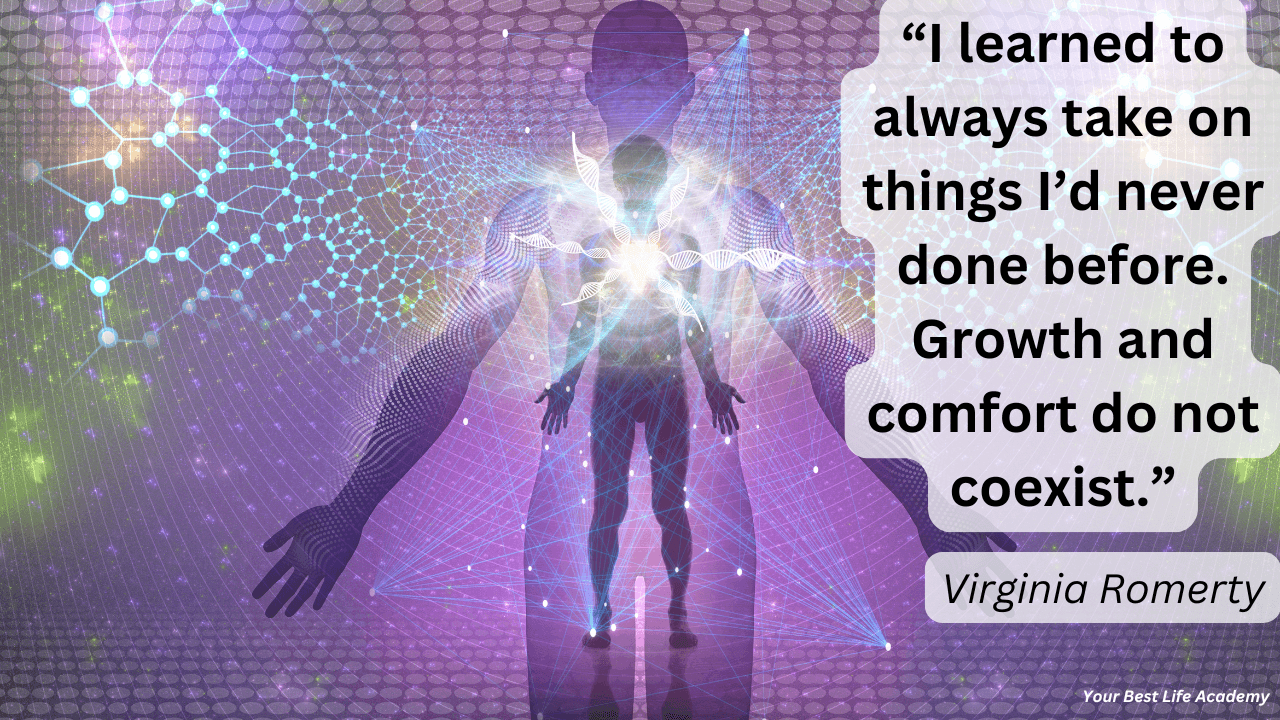
A growth mindset encourages us to learn from our mistakes, the try new things, and get out of our comfort zone. It is a much more positive way to look at yourself, your relationships, and your life — and gives much more opportunity to become who you wish to be. It reminds you that you are always learning, always growing, and always allowed to change. You are only ‘stuck’ — with who you are, how you relate to others, and where you are — if you want to be.
What Is a Growth Mindset?
A growth mindset is the belief that your abilities, skills, and confidence can grow over time. It acknowledges the plasticity of the brain — the fact that the brain can be changed, and adapted, and can re-learn, and grow, over time. (I’ve put some links on neuroplasticity below if you’d like to explore this more.)
The growth vs. fixed thinking mindset is captured by Henry Ford’s quote:
‘Whether you think you can or you can’t, you’re right.’
Thoughts which limit your growth potential (and what you think is possible for yourself) include the following examples.
‘I’m not good at this.’
‘I always mess things up.’
‘There’s no point trying.’
A growth mindset capitalises on the positive belief that you can do something, and you are learning, and growing each time you try something. You change your language and thoughts to acknowledge that you can learn, and grow, and improve. Some examples of growth thoughts are noted below.
‘I’m still learning.’
‘I can get better with practice.’
‘This is part of my growth journey.’
It doesn’t mean life is easy, or that challenges disappear. It means you meet challenges with curiosity instead of fear. You ask questions, and are open to considering the answers — not to take everything you hear as truth, but rather to consider, and reflect, until you arrive at a thought that feels right for you, and who you wish to be.
You think about what you want, and how you want to show up in the world. You reflect on your mistakes, and learn from them. You consider potential steps to take, and try them. You adjust and pivot when required. You are flexible, and open to learning new things, acknowledging that there is always something new to learn.
I often speak with my friends of instances where I or others can learn and grow. We might discuss a particular situation that didn't work out as we had hoped, and we consider various options that may have contributed, as well as potential things that could be done differently next time. We both learn from the experience. We are both kind and non-judgmental, which allows us to explore the situation openly.
Sometimes it is helpful to get someone else's opinion on what happened, or what you feel. Sometimes others can suggest items that we hadn't considered, such as a tone or a habit that you didn't know you had (I know I've had people bring things to my attention that I wasn't consciously aware of). If you are open to learning, every experience can help. And if you're not yet in the right frame of mind, you just say so, and then revisit it later. Kindness, grace, and non-judgement are all important here.
I also have some friends who not have a growth mindset. They tend to change the topic if I ask reflective questions. They don't look deeper (within or without) - it is more a matter of 'well, that's what it is.' Or perhaps even 'well, it's done now, whatever.' They also tend to hold grudges more, rather than consider the actions, feel the feelings, and let go of the emotion, and what no longer serves you - thereby freeing up your energy, learning, and moving forward.
Fixed Mindset vs Growth Mindset
In simple terms, a fixed mindset doesn’t encourage learning. Instead, it’s more of a ‘this is how it is’ attitude. A fixed mindset sounds like:
‘I failed, so I must be bad at this.’
‘Other people are better than me.’
‘If I try and fail, I’ll feel embarrassed.’
On the other hand, a growth mindset recognises neuroplasticity, and acknowledges that we can learn, and adjust, and grow. It sees what happened, however rather than feeling a sense of failure, it is instead viewed through the lens of ‘what can I learn from this?’
A growth mindset sounds like:
‘I didn’t get the result I wanted, but I learned something.’
‘Everyone starts somewhere.’
‘Trying matters more than being perfect.’
This small inner shift can create big changes in how you feel about yourself. It also focuses the reticular activating system (RAS) on how we can learn, and grow. The RAS filters all the stimuli that comes at us, and brings to our attention what we focus on. For example, a growth mindset would ask ‘what can I learn from this?’ and various scenarios are presented. However, a fixed mindset might say ‘I just failed again!’ and your brain will show you lots of examples where you may have failed in the past.
Why a Growth Mindset Matters So Much
A growth mindset is a great tool to help us learn, and grow, so we are able to move forward, and toward our Best Life. It is simple, however it does require some work. A growth mindset uses reflection, learning, and thinking, to help us on our journey to living our Best Life.
Over our lifetime, we collect thoughts and emotions that do not help us get where we want to go. Sometimes we hold onto so-called negative emotions. We allow past experiences and traumas to be stored in our mind, body, and soul.
Many people carry the following emotions within them.
Self-doubt
Fear of failure
Fear of judgment
Overwhelm
A feeling of being behind in life
A growth mindset gently loosens the grip of these feelings. It allows us to gently explore the emotions, the thoughts, the beliefs, and the feelings. It allows us to feel and release what no longer serves us. A growth mindset can help in many ways, including those mentioned below.
Feel safer trying new things
Be kinder to yourself when things don’t go to plan
Build confidence step by step
Trust yourself more
Feel hopeful about the future
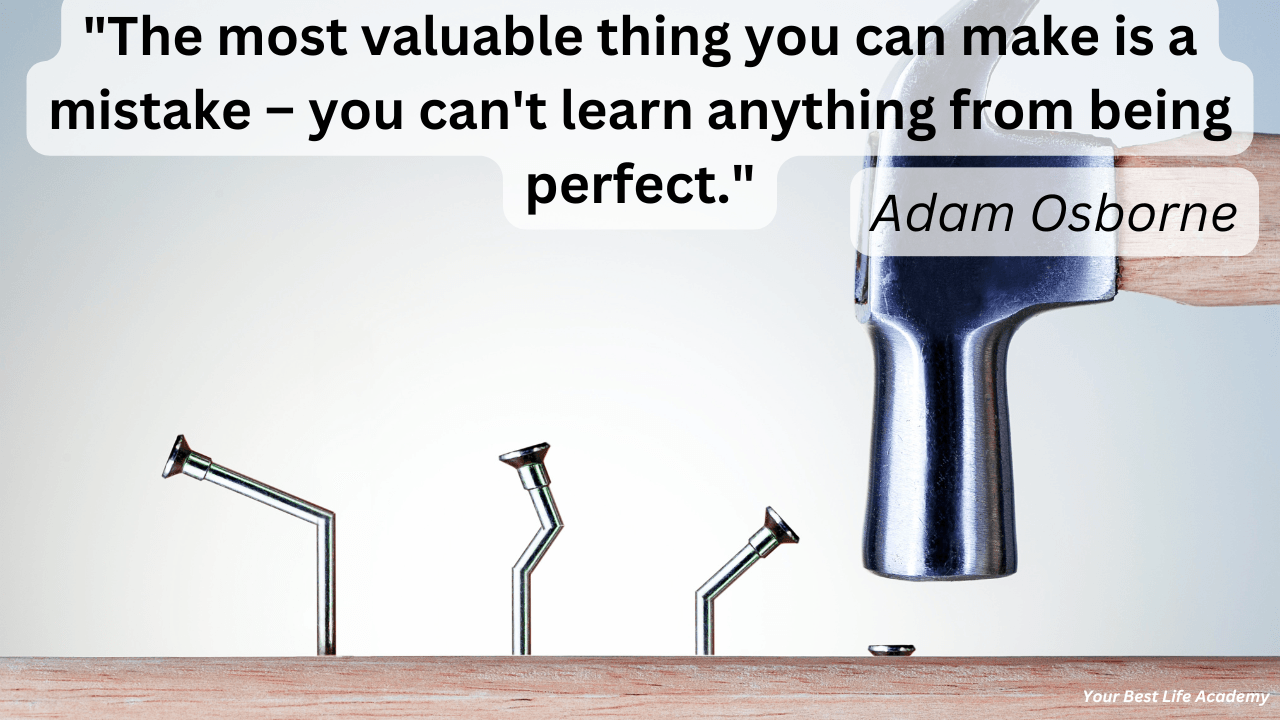
Instead of seeing mistakes as proof you’re not enough, you begin to see them as part of your learning. A growth mindset allows us to acknowledge, feel, release, learn, and move forward. Each time we learn something, we are adding another lesson, or another way of approaching a challenge, to help us the next time something similar happens. It’s like a building block, which we can use to step up.
How a Growth Mindset Helps You Live Your Best Life
Living your Best Life doesn’t mean everything is always perfect, or having everything figured out. It’s about being the best you can be at any given moment, and taking steps to becoming who you wish to be.
It’s about acknowledging what you’ve been through, feeling the emotions, learning what you can from them, and letting them go. It’s about having a kind and inquisitive mind about what’s happening around you. It’s being open to trying new things, and learning from everyone and everything around you.
There are so many facets to having a growth mindset, and allowing it help you live your Best Life. It includes:
Growing into who you really are
Making choices that align with your values
Learning from life instead of fighting it
Feeling empowered instead of stuck
A growth mindset supports this by reminding you that:
You’re allowed to change direction
You don’t need all the answers right now
Growth happens one small step at a time
Your past does not define your future
When you believe you can grow, you give yourself permission to dream again, try again, and trust yourself again.
Gisele Bundchen, one of the most successful supermodels in the world, spent a lot of time analyzing all aspects of her job, to help her learn, and improve - and become more successful. "Some people may see me as a hanger, but I was analyzing and trying to learn."
In her book Lessons: My Path to a Meaningful Life, she wrote "I began analyzing photos that were poorly lit: that doesn't look good-why? The more I understood about lighting and angles, the better my photos got. ... I was always trying to find angles where my nose looked less pronounced and my eyes looked bigger."
She goes on to say "In the end, I gained a much greater understanding not just of my role in the collaboration, but also the parts everyone else played."
page 144, Lessons: My Path to a Meaningful Life by Gisele Bundchen, Allen & Unwin, 2018.
Everyday Ways to Build a Growth Mindset
You don’t need to overhaul your life all in one go. You can start small. Small actions, done on a consistent basis, will help shift how you think, how you react, and the environment around you.
Some small things you can do to move forward are noted below.
1. Change your self-talk
When you notice harsh thoughts, gently reframe them. Try adding ‘yet’ to the end of the sentence. ‘I can’t do this… yet.’
2. Celebrate effort, not just results
Showing up matters. Trying matters. Learning matters. Be kind to yourself, and give yourself small rewards, such as a bubble bath, or some time on self-care.
3. See challenges as teachers
Ask yourself ‘What is this helping me learn about myself?’ You might like to think about it, or meditate on it, or write about in a journal – or even talk it out with trusted friends, family members, or even a therapist.
4. Be patient with your growth
You wouldn’t rush a flower to bloom. You deserve the same care. Acknowledge that it can take time, and that changing your mindset (and your subconscious beliefs), can take time and effort.
5. Surround yourself with support
Growth feels easier when you’re not doing it alone. Find some friends and family members that can do the journey with you. Is there are community you can join? Can you attend a seminar, etc to find like-minded people? Or even a therapist that can help you.
A Loving Reminder
A growth mindset is not about pushing harder, or being better than anyone else.
It’s about being kinder to yourself as you grow.
You are allowed to learn.
You are allowed to change.
You are allowed to grow into your Best Life, at your own pace.
And every small step you take counts.
🙋 Frequently Asked Questions
1. What is a growth mindset in simple terms?
A growth mindset is the belief that you can learn, grow, and improve over time. It means you don’t see mistakes as failure, but as part of the learning process. You trust that with practice, support, and patience, you will learn how to improve your responses, and up-level your beliefs, relationships, and life.
2. Why is a growth mindset important?
A growth mindset helps you move through life with less fear, and more confidence. It supports learning, resilience, and self-belief. Instead of giving up when things feel hard, you stay open, and curious, which helps you grow, and move forward.
3. Can anyone develop a growth mindset?
Yes. A growth mindset is something you can build at any age, and any stage of life. You don’t need special skills or experience. It starts with small changes in how you speak to yourself, and how you see challenges.
4. How long does it take to develop a growth mindset?
There’s no set timeline. A growth mindset grows little by little. Some days feel easier than others, and that’s okay. What matters most is awareness, and practice (with kindness and without judgement), rather than perfection.
5. What if I’ve had years of self-doubt?
That’s very common. A growth mindset is especially helpful if you’ve struggled with self-doubt, fear of failure, or feeling ‘not good enough.’ It offers a kinder way to relate to yourself, and helps rebuild trust in your own abilities.
6. How does a growth mindset help with fear of failure?
A growth mindset helps you see failure as feedback, not a personal flaw. Instead of thinking ‘I failed, so I’m not good enough,’ you begin to think ‘I learned something I can use next time.’
7. How does a growth mindset support living your Best Life?
Living your Best Life means growing into who you want to be. A growth mindset supports this by helping you make aligned choices, try new things, learn from experience, and stay connected to your values, even when life feels uncertain.
8. Is a growth mindset about being positive all the time?
No, it isn’t. A growth mindset doesn’t ignore hard feelings or challenges. It allows space for frustration, sadness, or fear, while also reminding you that these moments don’t define you or limit your future.
9. How can I start building a growth mindset today?
Start by noticing your inner voice. When you hear self-criticism, gently reframe it. Ask yourself ‘What can I learn from this?’ Small, kind shifts in thinking can create meaningful change over time.
10. Can a growth mindset help with confidence and overwhelm?
Yes, it can. A growth mindset reduces pressure to be perfect. It helps you focus on progress instead of comparison, which can ease overwhelm and support confidence, clarity, and emotional balance.
📚 Additional Resources
Jump-start your journey with our free 7-Day Break Bad Habits Challenge, and then continue the momentum with our Clarity Within Journal, so you have clarity around what you want, and who you want to be. (Because your Best Life starts with awareness - of what you want, and who you want to be.) Two simple steps to get you started on your personal growth journey!
Want more practical ideas and thought-provoking content on a regular basis? Don’t miss out on all the hints & tips that you can implement over time! Sign up for weekly input to help you uplift your life – one week at a time!
We have also created stand-alone pages in the 7 life segments with all blogs, freebies, and paid products grouped together, so you can easily find and review items of interest to you. Click on the links below to find the areas of most interest to you!
Life Purpose & Best Life - Health & Wellness - Relationships - Abundance - Personal Growth - Peace of Mind - Spirituality & Energy.
📖 References/Further Reading
https://www.sydney.edu.au/news-opinion/news/2016/06/01/neuroplasticity--the-science-behind-rewiring-the-brain.html#:~:text=Neuroplasticity%20is%20the%20biological%20changes%20that%20occur,like:%20*%20Alzheimer's%20*%20Traumatic%20brain%20injury
https://www.psychologytoday.com/au/basics/neuroplasticity
https://positivepsychology.com/personal-growth/
https://eastohio.edu/personal-growth-what-it-is-and-why-it-matters/
https://www.aacsb.edu/insights/articles/2024/03/a-model-for-cultivating-personal-growth
📝 Disclaimer
This blog post is for educational and inspirational purposes only. It is not a substitute for professional advice, therapy, or medical care. Everyone’s journey is unique, and results may vary. Always listen to your own needs and seek professional support if needed.
Your Best Life Newsletter
Your Weekly Dose of Inspiration to Live Your Best Life!
✔️ Get practical tips to feel happier, healthier, and more fulfilled.
✔️ Discover easy ways to bring more joy and purpose into your life.
✔️ Be the first to know about new blogs, free resources, and special offers.
💌 Join our supportive community today — it's free!
© 2025 Your Best Life Academy