
Healthy, Convenient, and Cost-Effective: The Power of Dehydrated Food
Published: 2 May 2026
Are you looking for a simple way to eat healthier food, save time, and reduce waste? Dehydrating your own food could be the solution you’ve been searching for! This easy, cost-effective method helps you create nutritious meals and snacks, all while giving you more control over what you eat.
In this blog post, we’ll explore the benefits of dehydrating your own food, how it can support your busy lifestyle, and how it helps you live your Best Life with less stress and more joy. I’m loving it, and you might too!
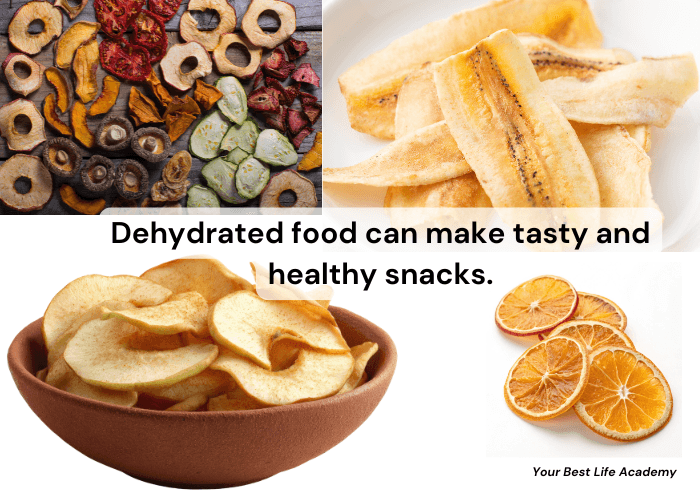
Dehydrating food might sound like a bit of a throwback, but it can actually be really helpful if you’re looking to live your Best Life. Whether you're trying to eat more whole foods (with less processing and chemicals), save time, or create a sustainable routine that aligns with your values, dehydrating your own food can help you do all of that. I've recently started using a dehydrator, and I'm finding it so helpful in preparing dishes that I wanted to share it with you. I'm also starting to use it for snacks (eg. healthier potato chips). (Quick update: while the first batch looked great, I didn't think much of the taste - more experimenting to do! And don't worry, this first batch will go into casseroles - another easy ingredient to add!)
In this blog, we discuss why dehydrating your own food is so beneficial (once you've worked out your own personal favourites), the challenges to be aware of, and how it can bring you closer to your best, healthiest self.
Why Dehydrate Your Own Food?
1. Better Control Over What You Eat
One of the greatest benefits of dehydrating your own food is that you have full control over the ingredients. You get to choose the produce you use, so there are no added preservatives, chemicals, or artificial flavors that often sneak into store-bought dehydrated foods. You’re creating something clean, fresh, and wholesome that supports your health goals. (This is important to me, as I am quite conscious that many added ingredients are not healthy for our mind, body, or soul.)
2. Convenience for Busy Lives
Life can be overwhelming at times, and preparing meals every day can feel like a chore. I have found that using dehydrated food helps me prepare meals faster — and, you can also prepare healthier snacks, so you're not reaching for whatever is fastest. (I'm still experimenting, but plan to work out what the best options are for my own life. I'll keep you updated as I go! 😊)
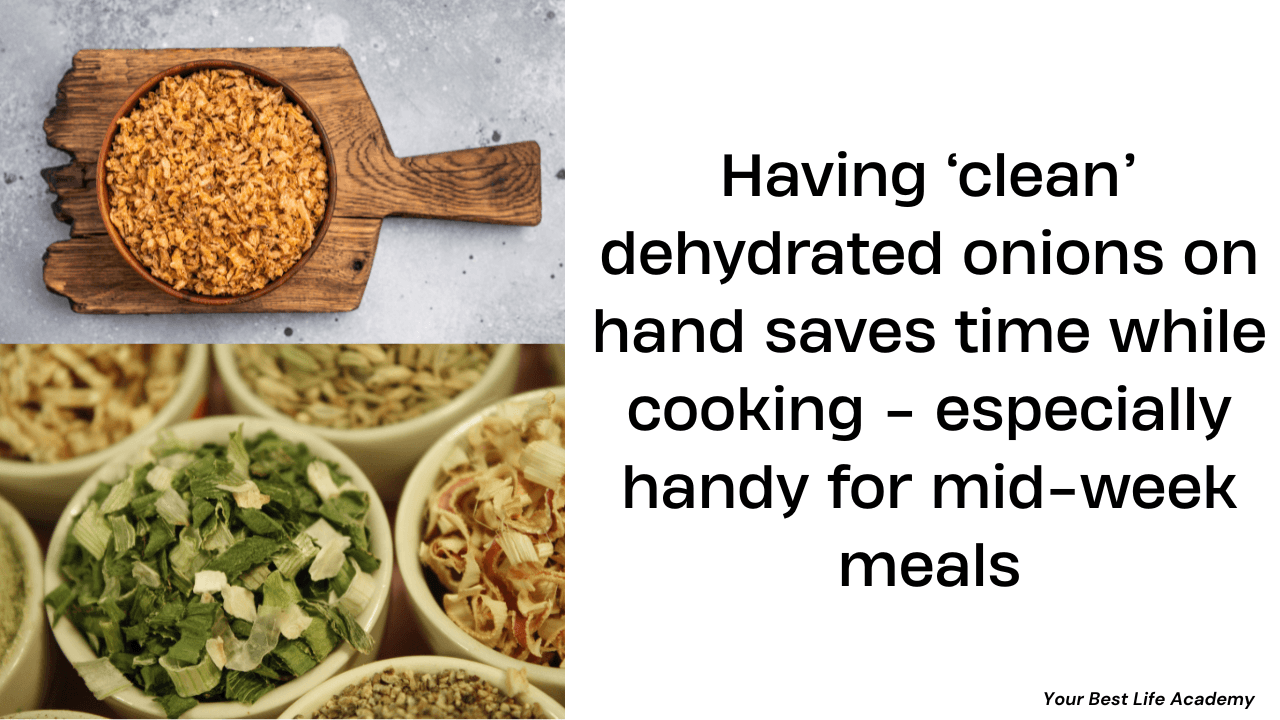
IAt the moment, I'm loving having dehydrated onions, and dried mushrooms (which we’ve made into a powder with a small powder blender), to add to dishes. This saves a lot of time when preparing meals, while ensuring that we have healthy, tasty ingredients to add, creating a quick meal when you’re busy.
It’s also efficient to store – one glass container can hold a lot of dehydrated onions, or dried mushrooms!
This convenience is especially helpful for those of us juggling multiple commitments — like work, family, and self-care.
3. Save Money
By dehydrating the food yourself, you can save a significant amount of money in the long run. You can buy fresh produce in bulk when it's in season (often at a large discount), dehydrate it, and store it for later use — saving you from needing to purchase pricier, packaged alternatives.
4. Long Shelf Life and Less Waste
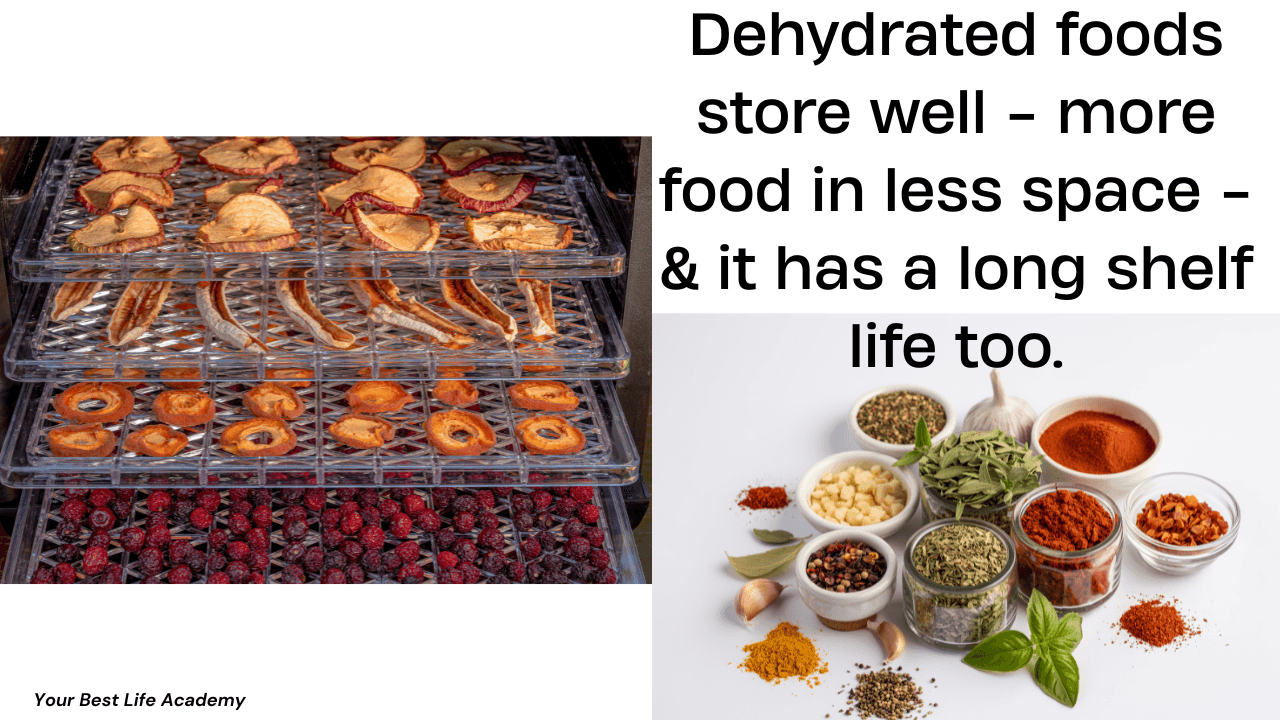
Dehydrated food has an impressively long shelf life — sometimes up to a year or more, depending on the food and storage conditions. This means you can buy food in bulk, reduce waste, and have a supply of ready-to-go ingredients (eg. dried onions or mushrooms), and snacks. Plus, you may be able to dehydrate some types of leftovers to prevent food from spoiling (although I haven’t tried this yet).
Dehydrating your food also reduces the need for single-use plastic containers and packaging, which is a win for both your health and the planet. (I have a large glass jar with a bamboo lid which stores two full bags of dehydrated red onions.) This supports a more sustainable lifestyle, aligning with values like environmental care, and resource conservation.
5. Preserve Nutrients
When you dehydrate food at home, you’re able to retain a lot of the natural vitamins and minerals. While the dehydration process does reduce the water content, most of the nutrients remain intact, especially when done at lower temperatures. So, you’re still getting the nutrition your body needs, in a more convenient, shelf-stable form.
6. A Fun and Creative Hobby
Dehydrating food can be a fun, creative activity. You can experiment with different fruits, vegetables, herbs, and potentially even some meals! It’s a great way to connect with your food, and take a mindful approach to meal prepping.
Plus, it adds a personal touch to your food, helping you create a deeper bond with what you eat.
How Dehydrating Food Helps You Live Your Best Life
Living your Best Life is all about making choices that nurture your body, mind, and spirit. Dehydrating food can help you do that in a number of ways.
Healthier choices — By taking the time to dehydrate your own food, you’re putting quality, nutrient-dense ingredients into your body. You’re saying ‘yes’ to healthy eating, which leads to increased energy, better digestion, and a stronger immune system.
More time and less stress — By using ingredients that are already prepped, and ready to go, it helps reduce the stress of daily meal prep, while avoiding processed foods. This saves time and hassle, just grabbing a handful of dried ingredients to add to cooking, rather than bringing them out of the fridge, getting a chopping board and knife, and spending time trimming and cutting them, before adding them to your meals.
Connection with nature — Dehydrating your own food brings you closer to the source of your nourishment. You’re working with nature’s cycles, and you’re aligning with values of sustainability and resourcefulness, which are great for adding to a sense of inner peace and fulfillment.
Sense of accomplishment — There’s something deeply satisfying about knowing that you’ve prepared your own meals from start to finish. It’s a great confidence booster, and builds a sense of self-sufficiency.
By making this simple change in how you prepare food, you’re not only supporting your physical health but also your mental and emotional well-being. You're setting yourself up to thrive, day in and day out.
Are There Any Downsides?
While the benefits of dehydrating your own food are many, it’s important to be aware of some potential downsides. (After all, it needs to work for you, and your own health, wealth, and lifestyle.)
1. Time and Effort
Dehydrating food takes time, especially when you're starting. While the process is mostly hands-off once it’s set up, it can take a few hours, depending on what you’re dehydrating. If you’re dehydrating a large batch, you may need to plan ahead to make sure you have the time and space for it. (If you have the space to set up your dehydrator (ours is always ready to go), it’s mostly just cutting up the ingredients and putting them on the trays. It doesn’t take long to program them in the model I’m using, and this one turns itself off at the end of the cycle.)
2. Initial Investment
Dehydrators, especially the higher-end models, can be a bit of an investment. However, this cost is usually recouped over time if you stick with the practice, especially when you factor in the money you’ll save on store-bought dehydrated foods. (Again, it does depend on what you use it for, and how often you use it. It can work well for herbs as well, so if you have the space for a herb garden, this can be a great way to use it as well.)
3. Texture and Taste Changes
While dehydrating preserves nutrients, it can change the texture and taste of some foods. For example, fruits like apples and bananas may be chewy, while veggies may lose some of their crunch. It’s worth experimenting to find which foods you enjoy best in their dehydrated form. (As mentioned, the first batch of potatoes used for chips wasn’t very successful — more experimentation is required to discover how to make some more snacks.)
4. Not Suitable for Every Food
Some foods don't dehydrate well, or lose too many nutrients in the process. For example, leafy greens and some high-water fruits (like watermelon or cucumbers) are not great candidates for dehydration. It’s important to do some research or trial and error to figure out what works best for you.
Final Thoughts
Dehydrating your own food can be a simple yet powerful practice that supports health, convenience, and sustainability. By taking control of what you eat, and reducing your dependence on processed foods, you’re aligning with your values of living a more authentic, intentional life.
It may take some time to get used to the process (and discover what works best for you), but the rewards are worth it. From saving money to creating nutrient-dense meals, dehydrating your own food can help you live your Best Life — healthy, happy, and fulfilled.
🙋 Frequently Asked Questions
1. What foods can I dehydrate?
You can dehydrate a wide variety of foods. Fruits like apples, bananas, and berries, vegetables like carrots, peas, and zucchini, as well as herbs, are all great options. Just remember, some high-water foods, like cucumbers and watermelon, don’t dehydrate as well.
2. Do I need a special machine to dehydrate food?
While you can dehydrate food in an oven or using the sun, a dedicated food dehydrator is the most efficient method. It allows you to control the temperature and airflow, ensuring your food dries evenly. They are also more energy-efficient than using an oven for long periods of time.
3. How long does it take to dehydrate food?
Dehydration times vary depending on the food and your dehydrator. Fruits and vegetables typically take anywhere from 6 to 12 hours. For best results, check your food periodically, and follow the recommended dehydration times for each specific item.
4. How do I store dehydrated food?
Store your dehydrated food in airtight containers, such as vacuum-sealed bags, glass jars, or mylar bags with oxygen absorbers. Keep them in a cool, dark, dry place, and they can last anywhere from 6 months to a year, depending on the food type. (I use dark glass jars, with well-sealing bamboo lids.)
5. Will dehydrating food change the taste or texture?
Yes, dehydrating food can change both the texture and taste. Fruits may become chewier, and vegetables might lose some of their crunch. However, many people love the new texture, especially for snacks. Just experiment to find what works best for you! (I'm still exploring the options!)
6. Is it worth the time and effort to dehydrate my own food?
Yes, for many people, the benefits far outweigh the time and effort. You can save money, have healthier snacks and ingredients on hand, reduce food waste, and have the satisfaction of knowing exactly what’s in your food. If you’re willing to spend a bit of time upfront, it’ll pay off in convenience and savings down the road. (I'm loving having home-made dehydrated mushrooms and dried onions for quick additions to soups and casseroles!)
(If you're struggling with time as it is, check out our blog Feeling Overwhelmed? Here's How to Take Back Control for hints & tips on taking back control of your time.)
7. Can I use dehydrated food to make quick meals?
Yes, you can. Dehydrated food is perfect for making quick meals. Simply rehydrate it with water, or use it as-is for snacks. This is especially helpful for busy schedules, road trips, or camping trips. You’ll have ready-to-go, healthy meals with minimal effort.
8. What should I do if my food isn’t dehydrating evenly?
If your food isn’t drying evenly, check the temperature settings on your dehydrator, and make sure it’s not overcrowded. It’s important to leave space for airflow. If using an oven, rotate trays every couple of hours to ensure even drying. Consistent monitoring will help you get better results each time. (I also use a mandolin cutter to ensure the slices are even - this is also a very fast way to chop up vegetables.)
9. Can I dehydrate leftovers?
Yes, you can dehydrate leftovers (although I haven't done it myself yet). It can be a great way to reduce food waste and create long-lasting, healthy snacks or meals. Just be sure the leftovers are free of any sauces or liquids that might not dehydrate well.
10. How can I tell when my food is properly dehydrated?
To check if your food is fully dehydrated, remove a piece, and let it cool. If it’s still flexible or sticky, it needs more time. Properly dehydrated food should be dry and crisp, with no moisture inside. You can also test by placing a piece in a jar for 24 hours — if it forms condensation, it needs more drying time.
📚 Additional Resources
If you're wanting to start having healthier foods and snacks, and perhaps buy food in bulk to save money, dehydrating could be exactly what you're after! Once you've decided on a dehydrator (see the Choice link below for hints and tips on what to look for), our free Break Bad Habits 7-Day Challenge can get you started on creating a new habit of eating healthy foods (and hopefully saving some money and improving your diet at the same time)!
If you love the idea, however time is an issue, check out our Busy Life Health Boost Bundle, designed to boost your health while on a schedule.
Want more practical ideas and thought-provoking content on a regular basis? Don’t miss out on all the hints & tips that you can implement over time! Sign up for weekly input to help you uplift your life – one week at a time!
We have also created stand-alone pages in the 7 life segments with all blogs, freebies, and paid products grouped together, so you can easily find and review items of interest to you. Click on the links below to find the areas of most interest to you!
Life Purpose & Best Life - Health & Wellness - Relationships - Abundance - Personal Growth - Peace of Mind - Spirituality & Energy.
📝 Disclaimer
The information in this blog post is for general guidance only. While dehydrating your own food can offer many benefits, it’s important to follow proper food safety guidelines and best practices. Always ensure your food is fully dehydrated and stored correctly to avoid spoilage. If you have any specific health concerns or dietary restrictions, please consult with a healthcare professional before making significant changes to your eating habits.
Your Best Life Newsletter
Your Weekly Dose of Inspiration to Live Your Best Life!
✔️ Get practical tips to feel happier, healthier, and more fulfilled.
✔️ Discover easy ways to bring more joy and purpose into your life.
✔️ Be the first to know about new blogs, free resources, and special offers.
💌 Join our supportive community today — it's free!
© 2025 Your Best Life Academy